
Air Traffic Control Failure in Britain: Heathrow in Gridlock as Thousands of Passengers Face "a True Nightmare"
By UserCarte · 6 min read
Air travel became an ordeal for thousands of passengers across the United Kingdom following a major technical failure in the air traffic control system, which triggered a cascade of flight cancellations, route diversions, and departure delays at several British airports. London Heathrow emerged as the most heavily impacted hub.
Even as travelers hoped for a swift return to normalcy, disruptions persisted on Wednesday, September 9th. According to available flight operations data, approximately 1,300 flights were cancelled throughout the United Kingdom on Tuesday, with an additional 177 cancellations recorded on Wednesday.
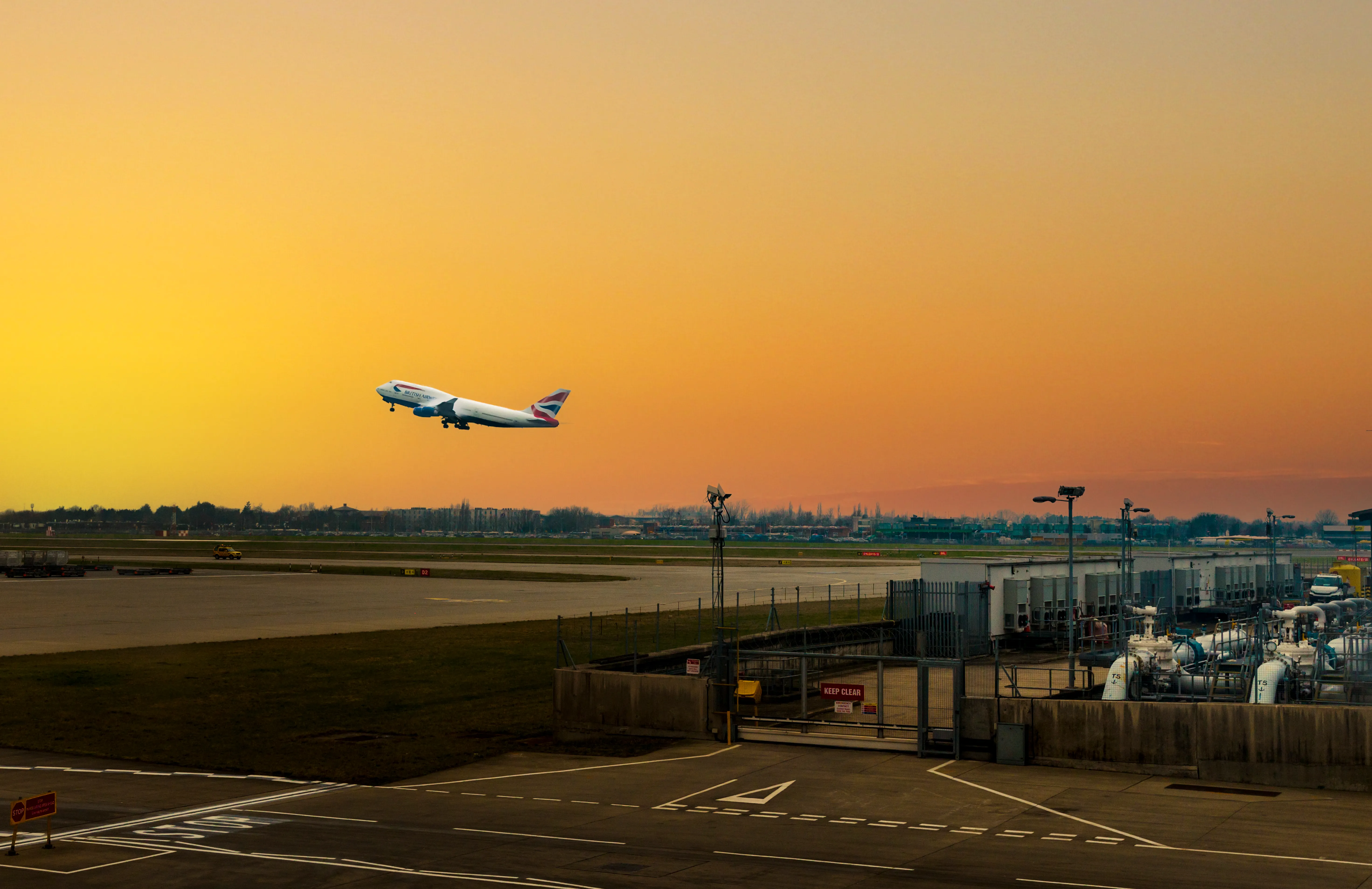
For tourists planning visits to London, onward connections to other European destinations, or using the British capital as a transit point to distant shores, this technical failure transformed a carefully planned journey into an ordeal marred by endless delays, uncertainty, and frustration.
Heathrow at the Heart of Chaos
London Heathrow Airport stands as one of the world's most critical international gateways, welcoming thousands of passengers daily from across the globe—whether arriving for London itself or continuing on to other British cities and international destinations.
The air traffic control system failure created unprecedented disruption to flight operations. NATS, the British air navigation services provider, acknowledged that the problem was exceptionally complex, affecting the entire aviation network. Though the technical fault was ultimately resolved, its reverberations persisted due to cascading delays and disrupted flight schedules.
The explanation is straightforward: when large numbers of aircraft are delayed or temporarily grounded, subsequent flights suffer in a domino effect. Aircraft may not be in their scheduled positions, and flight crew schedules become hopelessly compromised. Consequently, resolving the technical issue does not guarantee an immediate return to normal operations.
Thousands of Tourists Facing Direct Consequences
For travelers, the ramifications of this crisis proved substantial.
A cancelled flight from Heathrow could mean a missed connection, a forfeited hotel reservation, cancelled ground transportation, or the cancellation of a long-planned sightseeing itinerary—scheduled weeks or months in advance. Some passengers found themselves forced to spend an unplanned night in London before resuming their journey.
British Airways, one of the major carriers operating from Heathrow, reported redirecting over a hundred flights on Tuesday afternoon. The carrier cautioned that disruptions could persist, particularly given constraints on aircraft and crew availability.
For international travelers, especially those using London as a gateway to North America, Asia, or other European destinations, the situation proved even more complicated—particularly when transit windows were tight.
A Grueling Experience for Air Travelers
Inside airport terminals, frustration mounted as flight times changed repeatedly or passengers were left waiting hours for any update on their flight's status. One traveler described the situation as a "true nightmare" after finding herself stranded aboard an aircraft on the Gatwick runway for several hours.
This account reflects the scale of difficulties encountered by countless passengers: stationary aircraft, constantly changing information, lengthy queues, and uncertainty regarding revised departure times. For some travelers, months of planning evaporated within hours.
Heathrow Not the Only Affected Hub
Disruptions extended far beyond the British capital.
Liverpool, Birmingham, and Edinburgh airports were similarly affected. The crisis's impact even transcended British borders, with Dublin Airport in Ireland experiencing spillover disruptions. This incident underscores the profound interconnectedness of European aviation networks.
A single failure in British air navigation systems can rapidly ripple across flights operated by foreign carriers and passengers for whom Britain represents merely a brief transit stop on longer journeys.
Ryanair Records Dozens of Cancellations
Irish carrier Ryanair counted among the severely impacted airlines, reporting cancellations of over 50 flights, affecting tens of thousands of passengers.
For budget-conscious travelers who organized independent holidays, a flight cancellation proved especially complicated. Independent travel involves more than just an airline ticket—there may be separate bookings for hotels, ground transportation, excursions, restaurants, and activities. Consequently, unexpected changes incur unforeseen additional expenses.
What to Do If Your London Flight Is Affected
For those planning imminent travel to the United Kingdom, verifying your flight status before heading to the airport remains essential.
1. Check Your Flight Status Directly
Do not rely solely on the original departure time listed in your booking confirmation. Visit your airline's app or website to confirm whether your flight will depart on schedule, face delays, be rerouted, or be cancelled altogether.
2. Monitor Connecting Flights
If you're transferring at Heathrow, Gatwick, or another British airport, monitoring your onward flight's status is equally critical. A delay on your first leg could jeopardize your tight connection scheduled for hours later.
3. Avoid the Airport Until Confirming Flight Status
If your flight is cancelled, arriving at the airport hours early could mean prolonged waiting in already overcrowded terminals. Check the latest airline updates before leaving your accommodation.
4. Retain All Travel Documentation
Keep your boarding pass, booking confirmations, cancellation notices, and receipts for additional expenses. These documents prove essential when filing claims, requesting compensation, or recovering expenses according to applicable regulations and passenger rights.
Is London Still a Suitable Destination?
Despite current aviation disruptions, London remains among the world's premier tourism destinations. Flight disruptions do not render the city itself inaccessible to visitors.
Visitors already in the British capital can continue exploring iconic landmarks such as Buckingham Palace, Westminster Abbey, Tower Bridge, and the British Museum, alongside renowned central London neighborhoods.
The primary challenge centers specifically on air travel—departing and arriving flights, as well as transit flights—rather than tourism activities within London generally.
Nevertheless, travelers beginning or ending their journeys in coming days are advised to build in additional time buffers and avoid tourism itineraries tightly synchronized with flight schedules.
A New Crisis Highlighting Aviation Infrastructure Fragility
This crisis is far from unprecedented.
The United Kingdom has experienced multiple major disruptions related to air traffic control systems in recent years. In July 2025, a system failure triggered extensive cancellations across several British airports. In 2023, another widespread failure affected approximately 2,000 flights and more than 700,000 passengers, resulting in cascading delays and cancellations.
These recurring incidents continually raise critical questions regarding aviation infrastructure's capacity to withstand major technical failures and rapidly restore normal operations. For travelers, the lesson is evident: even with a confirmed airline ticket, aviation depends upon extraordinarily complex technical and logistical systems. A single failure can reverberate across hundreds of flights.
Should Travelers Reconsider Their Plans?
For those departing in coming hours, exercising caution proves advisable.
The system failure does not necessarily necessitate cancelling a London trip, yet allowing additional time buffers—particularly with connecting flights—remains prudent. Travelers with fixed commitments—cruise ship departures, special events, international trains, or long-haul flights—may benefit from exploring alternative options should delays persist.
In all circumstances, the airline remains your primary source for accurate information regarding your booking and flight status.
A Difficult Day for British Tourism
London ranks among Europe's most-visited destinations, making any major disruption at its principal airports carry consequences extending well beyond airport runways.
Hotels, taxis, railways, restaurants, tourist attractions, and ground transportation services face indirect impacts when thousands of displaced passengers are forced to revise their schedules. While gradual restoration of flight operations should alleviate the situation, the outage's effects may linger until aircraft and crews fully resume normal service schedules.
Essential Pre-Travel Checklist
If you have a flight to or from the United Kingdom, prioritize:
- Frequent verification of your flight status
- Monitoring airline notifications
- Confirming connecting flight status
- Allocating additional time for transportation and airport arrival
- Preserving all documentation and receipts in case of delays or cancellations
- Deferring non-refundable supplementary service bookings until your schedule stabilizes
For passengers currently stranded in airports, flexibility and patience emerge as invaluable allies during such circumstances. Though the technical malfunction has been resolved, restoring aviation operations to full normalcy requires time to clear accumulated delays and reorganize aircraft and crews.
Across London and other affected cities, travel and tourism continue—albeit now accompanied by considerably greater uncertainty.