Bangkok Before You Explore: How to Understand the City
By UserCarte · 5 min read
Most first-time visitors describe Bangkok the same way: hot, loud, enormous, and impossible to get a handle on. That reaction is understandable, but it's usually the result of arriving without a mental map. Bangkok is not a chaotic city so much as a layered one — a river town that became a canal city, then a car city, then a rail city, with all four versions still visible at once. Spend an hour understanding how those layers fit together and the place stops feeling like a blur. You start recognising where you are, why a neighbourhood feels the way it does, and which part of town suits the kind of day you want to have.
This guide is deliberately not a list of attractions. It's the orientation you'd want from a friend who lives there — the framework you slot the temples, markets and rooftop bars into once you arrive.
Start With the River, Not the Map
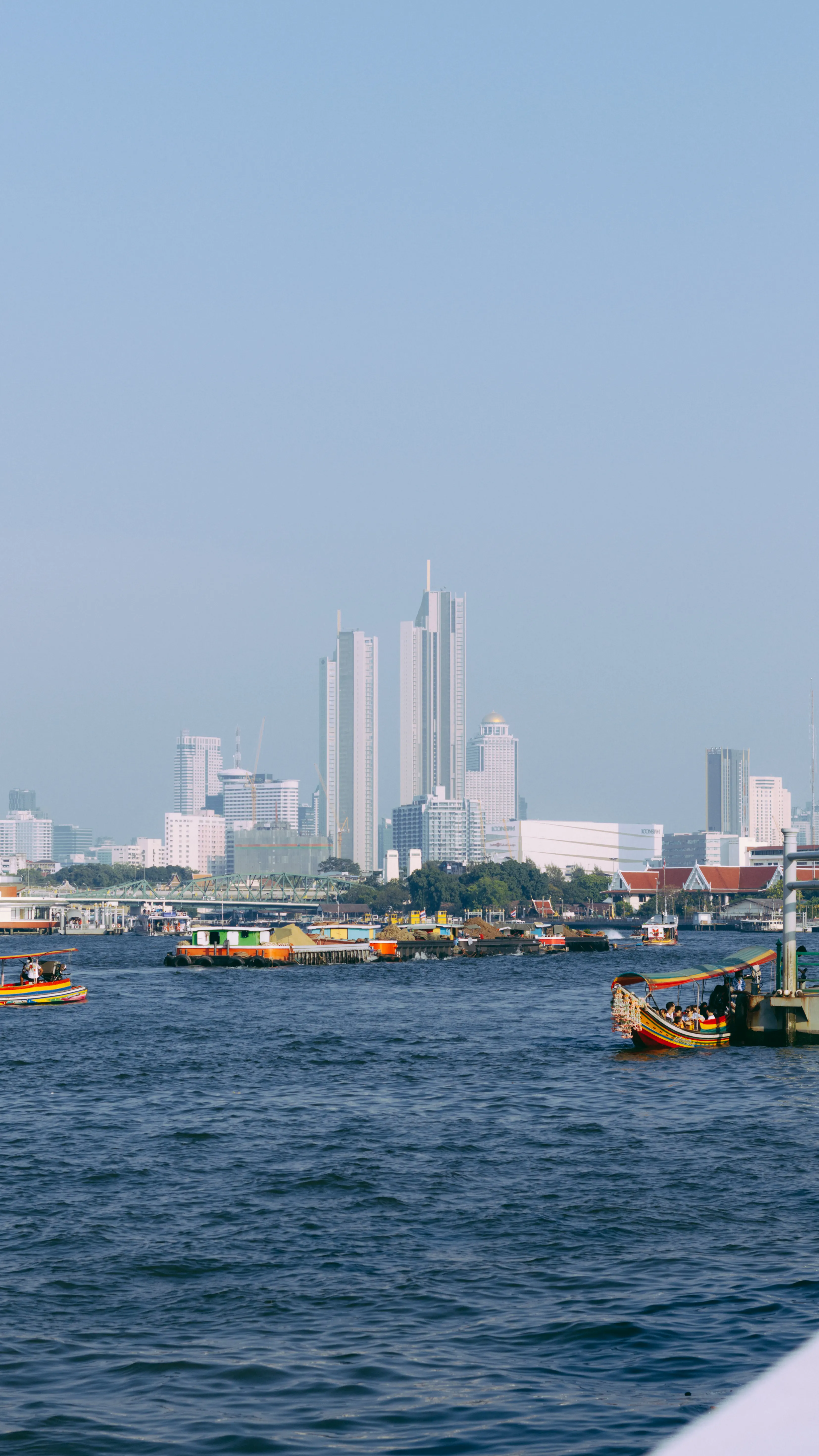
The Chao Phraya River is Bangkok's original main street, and it remains the single most useful reference point in the city. Everything historic sits close to it. The Grand Palace, Wat Pho, Wat Arun, the old Rattanakosin quarter and Chinatown all cluster along its eastern bank or just across the water. This is old Bangkok: low-rise, dense, temple-heavy, best explored on foot in the early morning before the heat and tour groups arrive.
Move inland and eastward and you enter the modern city. The commercial core around Siam, Ploenchit and Sukhumvit is a different Bangkok entirely — glass towers, air-conditioned megamalls, elevated trains, and street food stalls operating in the shadow of luxury hotels. Further out, Bangkok sprawls into vast residential districts most visitors never see.
The practical takeaway: old Bangkok and new Bangkok are not adjacent, and traffic between them can be brutal. Trying to see a riverside temple complex and then shop in Siam in the same afternoon is how people end up spending half their holiday in a taxi. Group your days by zone instead.
How the City Actually Moves
Bangkok's traffic reputation is entirely deserved, which is why locals plan around the rail network rather than the roads. The BTS Skytrain runs on elevated tracks through the modern commercial districts and is fast, clean and easy to read in English. The MRT subway loops through other parts of the city and connects to the main long-distance train station. Between them, they cover most of where visitors want to be — with one significant gap: the historic riverside area is thinly served, though extensions and river connections have improved access considerably in recent years.
The river boats are the city's best-value transport and its most pleasant. Public express boats run up and down the Chao Phraya with frequent stops, and a tourist-oriented service links the major riverside sights. Combining a Skytrain ride with a boat transfer is often dramatically faster than a single taxi trip, and far more interesting.
For shorter hops, metered taxis are inexpensive by international standards — insist on the meter rather than a negotiated flat rate. Ride-hailing apps work well and remove the language barrier entirely. Motorbike taxis, identifiable by coloured vests and clustered at street corners, are the local solution for getting down a long side street quickly. Tuk-tuks are fun once but rarely cheaper or faster than the alternatives.
Reading the Seasons and the Daily Rhythm
Bangkok has three broad seasons: cool and dry, hot, and wet. The cool season roughly spans the northern winter months and is the most comfortable time to visit — it's also peak tourist season, so expect higher hotel rates and busier temples. The hot season builds to genuinely punishing levels in the weeks around the Thai New Year, when the Songkran water festival turns entire streets into celebrations. The rainy season brings heavy afternoon downpours rather than all-day drizzle, and shoulder months either side often offer excellent value with manageable weather.
Just as important is the daily rhythm. Bangkok is a morning and evening city. Temples and markets are at their best shortly after dawn; the middle of the day is for air conditioning, malls, museums and long lunches; the city comes alive again as the sun drops. Fighting this rhythm is the fastest route to exhaustion.
Cultural Ground Rules Worth Knowing
A little cultural literacy goes a long way. Temples and the Grand Palace enforce dress codes — covered shoulders and knees, shoes removed where indicated. Images of the Buddha are treated with genuine reverence, not as photo props. The Thai royal family is deeply respected, and criticism is both offensive and legally serious. Feet are considered low and heads high, so avoid pointing your feet at people or images, and don't touch anyone on the head.
Beyond the rules, there's a broader temperament: Thai social life prizes composure and good humour. Raised voices and visible frustration lose you respect rather than winning arguments. Smile, stay patient, and doors open.
Choosing Where to Base Yourself
Your neighbourhood shapes your trip more than any other decision. The riverside and old town suit travellers prioritising temples, atmosphere and early-morning walks, with more boutique and heritage accommodation. Sukhumvit and the Siam area offer the best rail access, the widest range of hotels at every price point, and endless dining. Chinatown has become a magnet for food-focused visitors and independent hotels. Backpacker-oriented Khao San remains lively and cheap, if not restful.
Whichever you choose, check how far your hotel actually sits from a rail station — in Bangkok's heat and humidity, a ten-minute walk on paper can feel considerably longer.