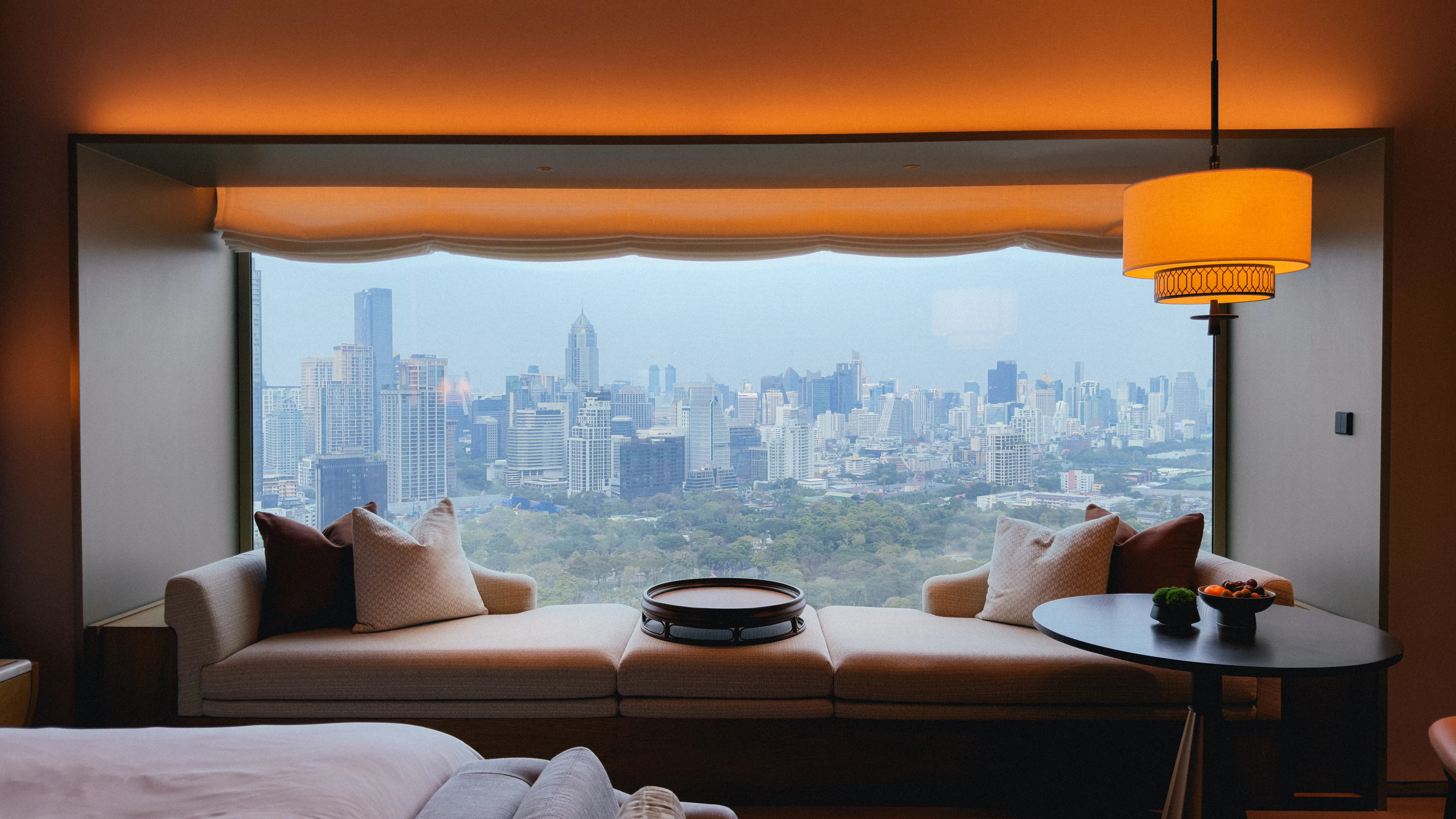
Best Hotels in Bangkok
By UserCarte · 5 min read
The best hotels in Bangkok fall into three camps: riverside grande dames such as the Mandarin Oriental, The Peninsula and Capella; sleek Sukhumvit and Silom towers with rooftop pools and BTS Skytrain access; and characterful mid-range boutiques in Ari, Chinatown and the Old Town. Your choice matters less than your neighbourhood — Bangkok traffic means location dictates how much of the city you actually see.
Which neighbourhood should you stay in?
Bangkok is huge and chronically congested, so pick a base near a BTS Skytrain or MRT metro station and your trip instantly improves.
The riverside (Charoenkrung, Klongsan) is where the legendary hotels sit, with ferry shuttles to temples and Icon Siam. It is atmospheric and calm but slightly removed from nightlife and rail lines — great for honeymooners and first-class relaxers, less ideal if you want to bar-hop.
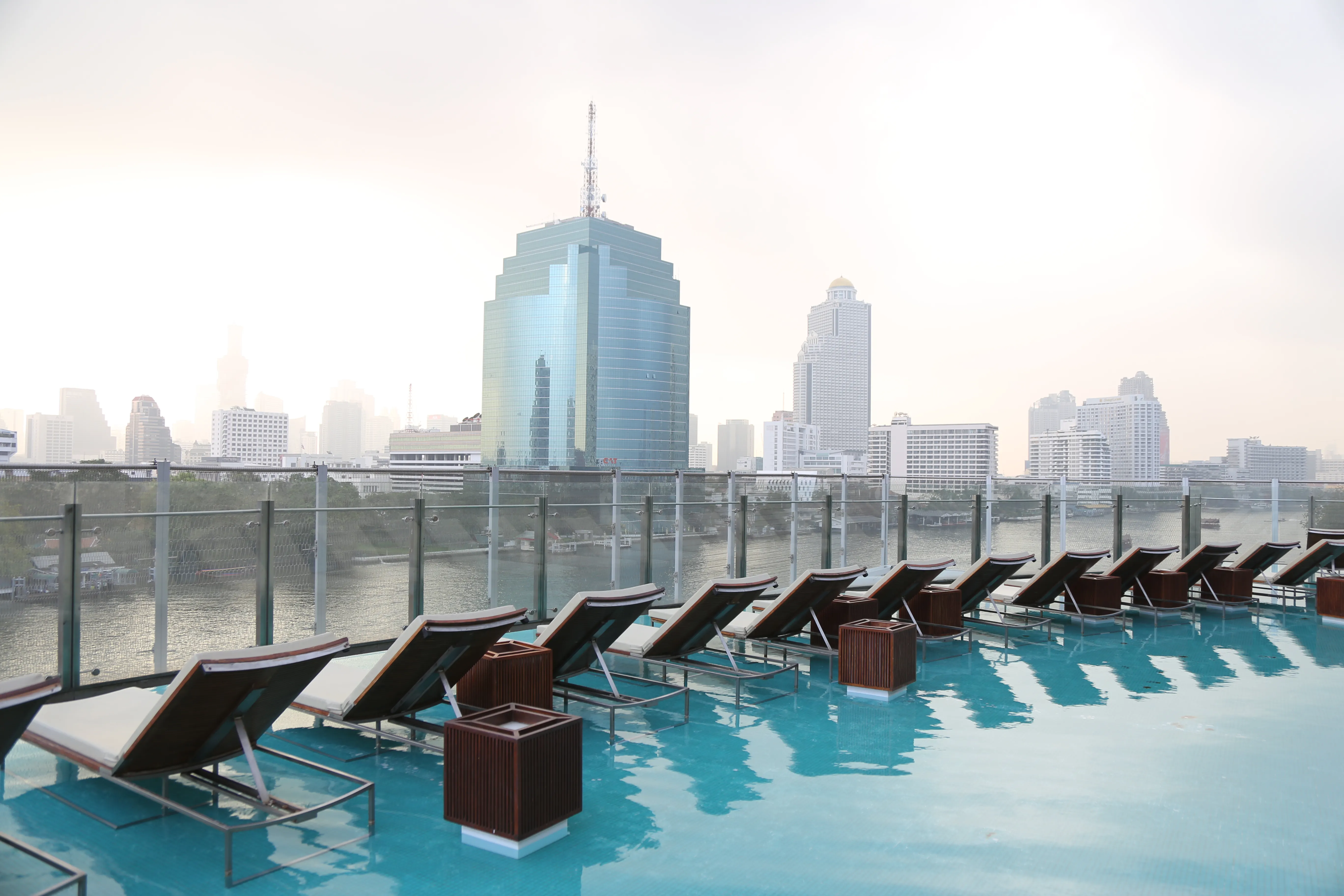
Sukhumvit (Asok, Phrom Phong, Thonglor) is the modern city: malls, rooftop bars, endless restaurants and the densest cluster of four- and five-star towers. Phrom Phong and Thonglor suit families and repeat visitors; Asok is the best-connected interchange in the city.
Silom and Sathorn is the business district that becomes Patpong and Soi Nana after dark, with quick MRT access to Chinatown and the river.
Siam and Ratchaprasong put you between the biggest shopping centres and within one or two stops of almost everything — the most convenient area overall for a short first trip.
The Old Town (Rattanakosin) and Chinatown are the most photogenic and historic, close to the Grand Palace and Wat Pho, served by the MRT Blue Line extension. Expect smaller heritage hotels rather than big-brand towers.
Ari is the local favourite: leafy lanes, third-wave coffee and independent boutique stays, a few Skytrain stops north of the centre.
What are the best luxury hotels in Bangkok?
Bangkok punches far above its price point at the top end, which is why so many travellers splurge here.
The Mandarin Oriental is the city's most storied address, with a colonial-era Authors' Wing and a legendary riverside terrace. The Peninsula Bangkok delivers flawless service and river views from every room, plus a free shuttle boat. Capella Bangkok is the newest of the riverside greats — all-suite, quietly contemporary, with an exceptional spa. Four Seasons Bangkok at Chao Phraya River is the most design-forward of the group, built around dramatic water gardens.
Away from the river, The Sukhothai remains a masterclass in understated Thai design and a Sathorn institution, while The Siam in Dusit is an art-deco all-villa property that feels like a private museum. Rosewood Bangkok and Kimpton Maa-Lai lead the modern city-centre pack, both with standout rooftop bars.
Where should you stay on a mid-range or budget?
Mid-range Bangkok is arguably the best value in Asia: rooftop pool, gym and Skytrain access for the price of a basic room in Europe. Reliable performers include Ad Lib and the Sindhorn Midtown near Nana and Langsuan, Riva Surya on the Old Town riverfront, Josh Hotel in Ari and Bangkok Publishing Residence, a tiny heritage hotel in a former print house.
At the budget end, look at design-conscious hostels and pod hotels around Silom, Chinatown and Phra Nakhon, plus international value brands like ibis Styles and Aloft clustered along Sukhumvit. A key tip: cheap does not have to mean grim here, but check that the room has a window — many discount rooms in Bangkok do not.
When is the best time to visit and book?
November to February is the cool, dry high season and the most comfortable time to walk the city — it is also when hotel rates peak, especially around Christmas, New Year and Chinese New Year. March to May is punishingly hot, and June to October brings afternoon monsoon downpours; both deliver notably softer rates, and rain rarely lasts all day.
Book roughly two to three months ahead for high season, particularly for the riverside icons and anything with a rooftop pool. Shoulder months like May and September often produce the best value-to-weather ratio. Rates also spike sharply around Songkran in mid-April.
What practical tips should you know before booking?
Check walking distance to the nearest BTS or MRT station on a map rather than trusting a hotel's own description — 800 metres in Bangkok heat feels much longer. Confirm whether quoted rates include service charge and tax, as the combined additions are significant. Ask about airport transfer options, since taxi queues at Suvarnabhumi can be long and the Airport Rail Link only reaches central stations. If you are a light sleeper, request a high floor away from main roads, and in nightlife areas ask specifically about noise. Finally, many hotels hold luggage free on checkout day, which pairs well with a late-night flight.
Frequently asked questions
Where is the best area to stay in Bangkok for first-time visitors?
Siam, Ratchaprasong or the Asok area of Sukhumvit are the strongest first-time bases. All three sit directly on the BTS Skytrain or MRT, putting temples, markets, malls and rooftop bars within easy reach without long taxi rides through traffic. The riverside is more atmospheric but slower to get around from.
Are hotels in Bangkok cheap compared to other cities?
Yes. Bangkok offers some of the best hotel value in the world, with four-star rooms featuring pools and gyms costing far less than equivalent properties in Europe, North America or Singapore. Even the city's famous five-star riverside hotels typically undercut comparable luxury brands in other global capitals, especially outside peak December and January.
Should I stay near the river or near the Skytrain in Bangkok?
Choose the river for atmosphere, views and the most celebrated luxury hotels, accepting slower access to the rest of the city. Choose the Skytrain for efficiency, dining variety and easy day trips. Many travellers split their stay — a few nights riverside, a few in Sukhumvit or Siam — to get both.