Best place to visit Poland
By UserCarte · 4 min read
Poland rewards travellers who go beyond a single city break. In a country roughly the size of New Mexico you can move from a UNESCO-listed medieval square to a Baltic beach, from primeval forest to alpine ridgelines, all on a rail network that makes hopping between regions genuinely easy. The hard part isn't finding something worth seeing — it's narrowing down. This guide breaks Poland into the destinations that most reliably deliver, with honest notes on who each one suits.
Kraków and Lesser Poland: the classic first trip
If you only have time for one place, make it Kraków. The Old Town survived the Second World War largely intact, which means the Main Market Square, the Cloth Hall and the Gothic spires of St Mary's Basilica are the real thing rather than reconstructions. Wawel Castle sits on a limestone rise above the Vistula, and the former Jewish quarter of Kazimierz has become the city's most atmospheric district — synagogues and cemeteries alongside courtyard bars and vintage shops.
Kraków also works as a base. Auschwitz-Birkenau is within day-trip range and is best visited with a guided tour booked well in advance; reserve free entry slots or a licensed guide as early as you can, as capacity is genuinely limited. The Wieliczka Salt Mine, with its underground chapels carved from rock salt, is the other essential half-day. Allow at least three nights in the city itself so you're not rushing between excursions.
Warsaw, Gdańsk and the Baltic coast
Warsaw is the counterweight to Kraków's prettiness — a capital that was flattened and rebuilt, and which now layers a meticulously reconstructed Old Town against Soviet-era monumentalism and glassy new towers. The museums are the reason to come: the POLIN Museum of the History of Polish Jews and the Warsaw Rising Museum are both world-class and emotionally demanding. Balance them with an afternoon in Łazienki Park or a walk along the wilder, sandy east bank of the Vistula.
Head north and Gdańsk offers the best of both worlds: a richly restored Hanseatic waterfront of tall merchant houses, plus beaches a short tram ride away. Pair it with Sopot for its long wooden pier and seaside promenade, and Gdynia for modernist architecture and ferries. Further along the coast, the shifting dunes of Słowiński National Park near Łeba feel closer to the Sahara than to northern Europe, and the Hel Peninsula narrows to a sandbar with water on both sides.
Mountains, lakes and forests
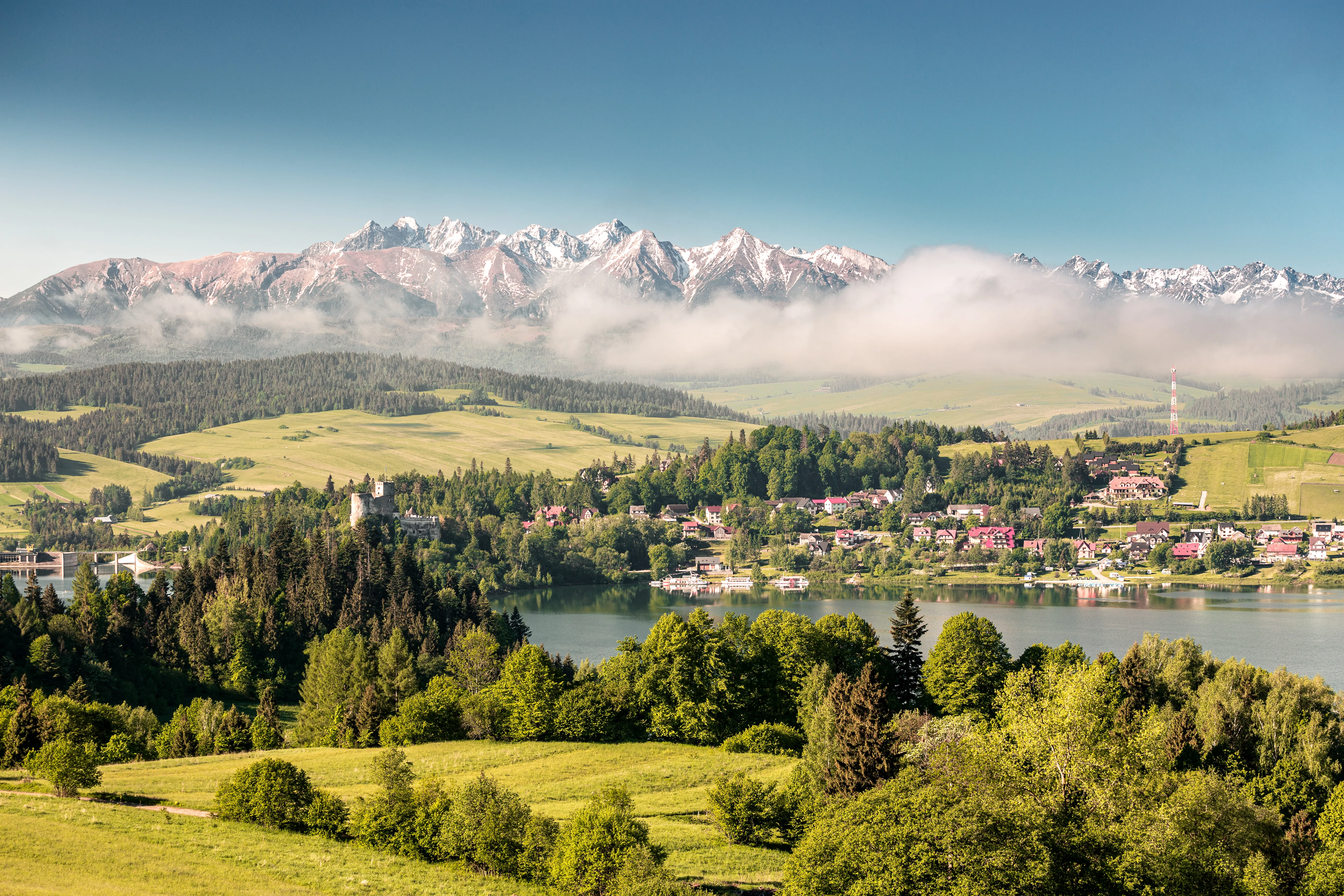
Zakopane is Poland's mountain capital, a wooden-architecture town at the foot of the Tatras. It gets very busy in peak summer and school holidays, but the trails above it — to Morskie Oko lake, along the Kasprowy Wierch ridge — are genuinely alpine. For quieter hiking, the Bieszczady range in the far southeast has rolling high meadows, wolves and bears, and a fraction of the crowds.
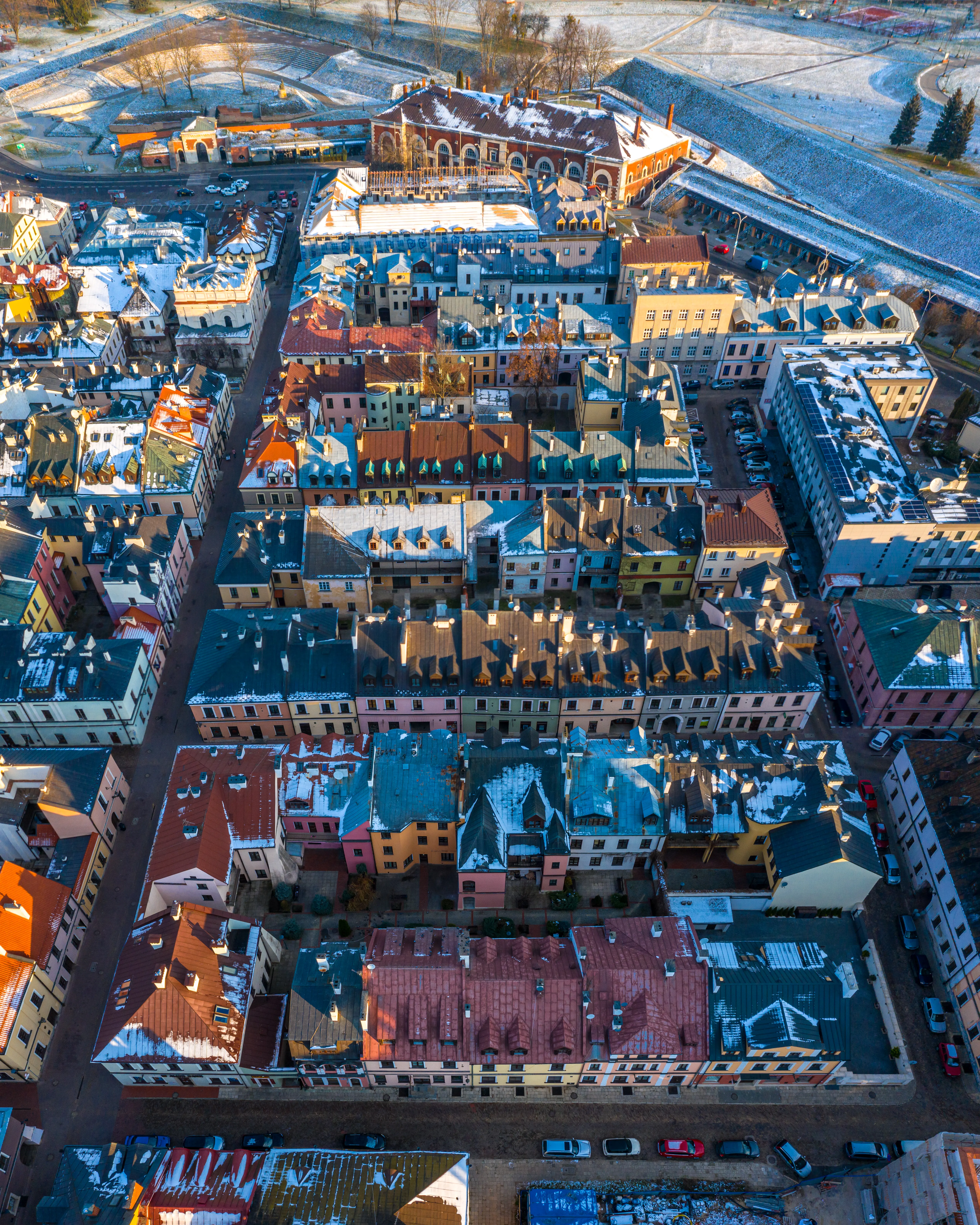
In the northeast, the Masurian Lake District is the place for sailing, kayaking and slow waterside afternoons; it's where Poles themselves go in August. Nearby, Białowieża Forest preserves one of Europe's last stretches of primeval lowland woodland and a wild European bison population — visiting the strictly protected core requires a licensed guide. In the southwest, Wrocław charms with its river islands, Gothic market square and the small bronze gnomes hidden across the centre, while Lower Silesia's castles and the sandstone formations of Table Mountain National Park make easy side trips.
When to go and how to get around
Late spring and early autumn are the sweet spot: mild weather, long daylight and manageable crowds. July and August bring the warmest seas and the busiest cities, with coastal and mountain accommodation booked out well ahead. December is worth considering purely for the Christmas markets in Kraków, Wrocław and Gdańsk, though days are short and cold. Winter otherwise suits skiers and museum-goers.
Intercity trains are the backbone of any Poland itinerary — fast, comfortable and inexpensive by Western European standards, with the Warsaw–Kraków and Warsaw–Gdańsk routes being particularly efficient. Book online in advance for the cheapest fares and a guaranteed seat. Long-distance coaches fill the gaps to smaller towns, and a rental car is worth it only for the Bieszczady, Masuria or castle-hopping in Lower Silesia. Within cities, trams and buses are cheap and frequent; validate tickets immediately on boarding.
Practical tips before you book
Poland uses the złoty, not the euro, though cards are accepted almost everywhere including on transport. Tipping is modest — rounding up or around ten percent in restaurants is normal. English is widely spoken in cities and tourist areas, less so in villages, but a few words of Polish go a long way. Book Auschwitz-Birkenau, Wieliczka and popular Kraków restaurants ahead; most else can be arranged on the ground. Check current opening hours and entry rules before visiting major sites, as seasonal schedules shift. And if you can, build in one small town — Toruń, Zamość, Kazimierz Dolny — because that's where Poland stops performing for visitors and simply gets on with being itself.