Best Places to Visit in Bangkok
By UserCarte · 4 min read
Bangkok rewards travellers who plan a little and then let the city take over. It is vast, hot and gloriously chaotic, but it is also far easier to navigate than first impressions suggest, thanks to elevated trains, a working river and neighbourhoods dense enough to explore on foot. The trick is to group your sightseeing by district rather than bouncing across the city chasing a list, because traffic can turn a five-kilometre hop into an hour of sitting still.
Below are the places that genuinely earn a slot in a three- to five-day itinerary, from the obvious icons to the quieter corners locals actually spend time in.
The Old City: Rattanakosin's Temples and Palaces
Start where Bangkok started. The Grand Palace complex, with Wat Phra Kaew and its Emerald Buddha at the centre, is the single most spectacular thing in the city — a dense acre of gilded spires, mirrored mosaics and mural-lined cloisters. Arrive early, ideally right at opening, because the courtyards have no shade and tour groups swell dramatically by mid-morning. Dress code is strictly enforced: shoulders and knees covered for everyone.
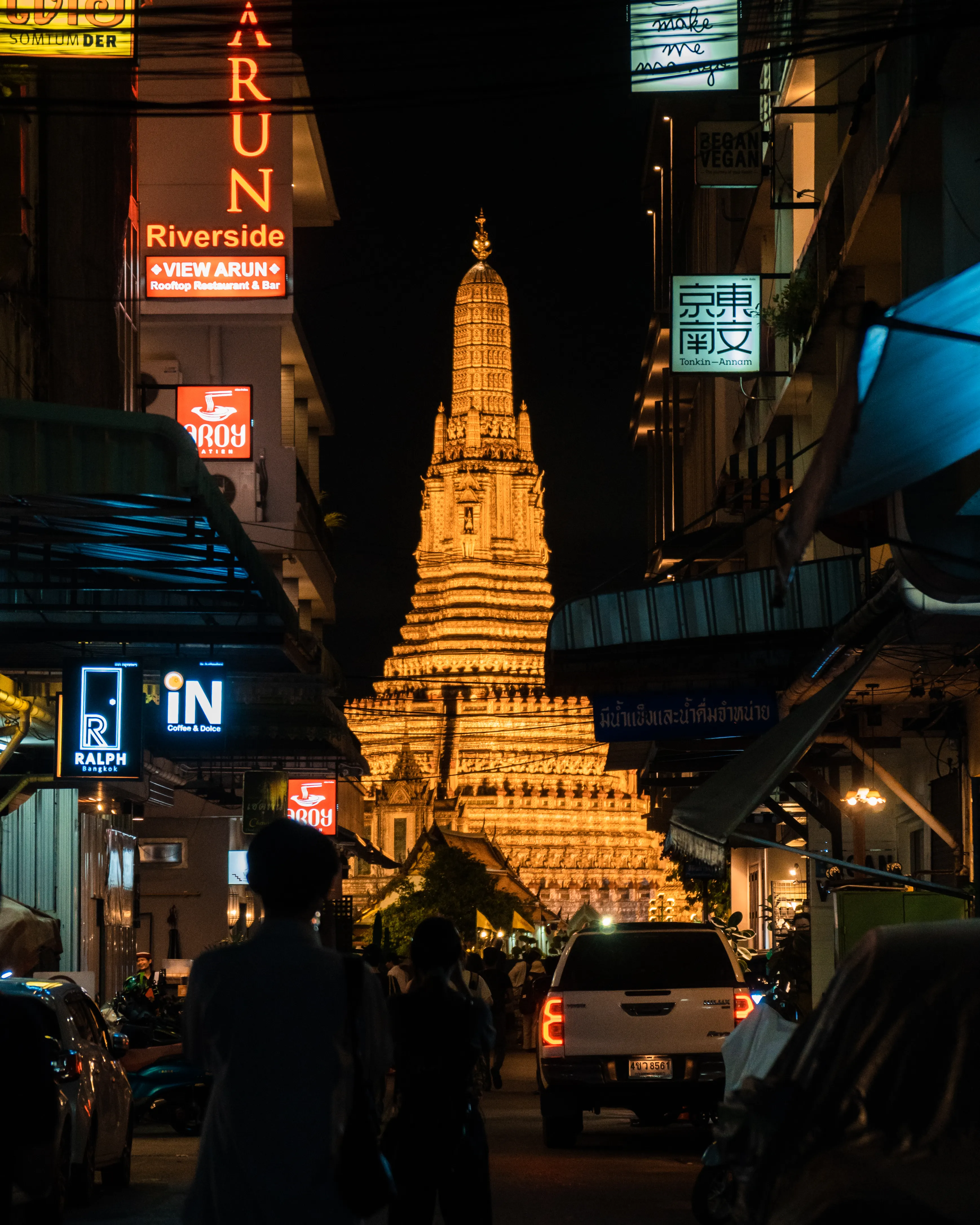
Ten minutes' walk south, Wat Pho houses the enormous reclining Buddha and, more usefully for a footsore traveller, one of Thailand's most respected traditional massage schools. From the nearby pier, a cross-river ferry drops you at Wat Arun, the Temple of Dawn, whose porcelain-encrusted central prang is best climbed in late afternoon and best photographed from the Thonburi-side restaurants after dark.
Round out the district with the Golden Mount at Wat Saket, a spiralling staircase up an artificial hill that delivers a genuine 360-degree panorama over the low-rise old town, and the Bangkok National Museum, which is dusty in places but the best context you will get for everything else you are looking at.
Markets, Chinatown and Street-Level Bangkok
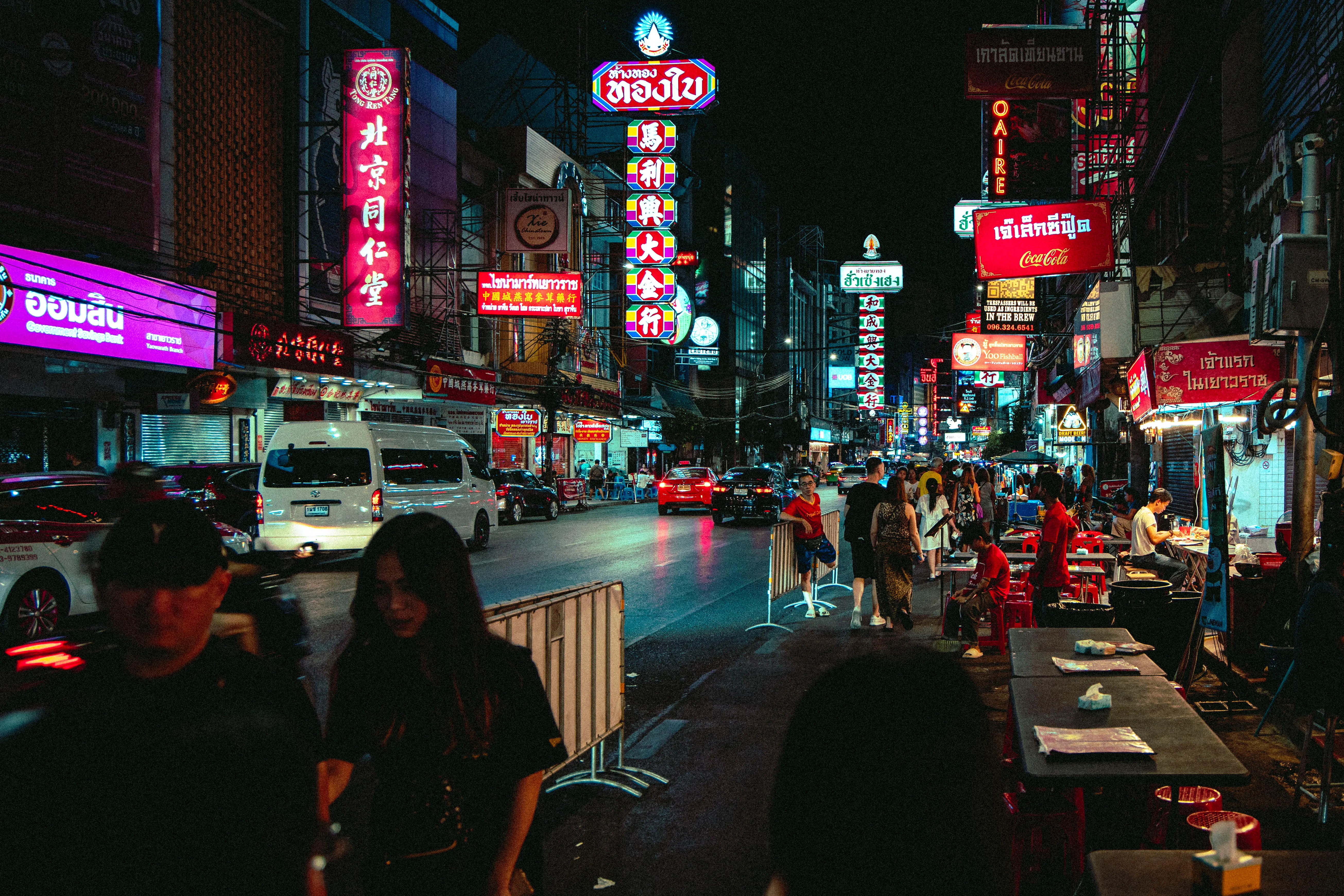
Yaowarat, Bangkok's Chinatown, is the city's most rewarding evening walk. Gold shops and herbal dispensaries give way after sunset to a corridor of charcoal grills, noodle woks and shellfish stalls. Wander the side lanes — Soi Nana and the old warehouse district of Talat Noi, with its shophouse cafés, street art and Chinese shrines — rather than sticking to the main road.
For markets, Chatuchak Weekend Market is the heavyweight: thousands of stalls selling ceramics, vintage clothing, plants and street snacks, easily reached by BTS or MRT. Go early, carry water, and accept that you will get lost. Flower lovers should add Pak Khlong Talat, the 24-hour flower market near the river, which is at its most atmospheric around midnight when marigold and jasmine deliveries arrive.
If you want a taste of daily Thai life rather than souvenirs, ride out to Wang Lang market near Siriraj Hospital or browse the food alleys around Victory Monument, where prices drop and the crowd is almost entirely local.
Modern Bangkok: Rivers, Rooftops and Green Escapes
The Chao Phraya Express Boat is both transport and sightseeing, running past temples, luxury hotels and cargo barges for a fraction of taxi fare. Ride it to ICONSIAM, a riverside mall whose ground-floor indoor floating market is a surprisingly good, air-conditioned introduction to regional Thai food.
For a break from the noise, Lumphini Park offers early-morning tai chi, monitor lizards and a lake you can paddle. Better still, take the short boat crossing to Bang Krachao, the so-called green lung — an almost-island of palm groves and elevated cycle paths where you can rent a bike and lose an afternoon. Back in the centre, the Jim Thompson House, a teak compound built by the American who revived Thai silk, is a beautifully curated antidote to mall culture, while the Ari and Thonglor neighbourhoods are where Bangkok's café, cocktail and independent restaurant scene really lives.
Best Time to Visit and Getting Around
The cool, dry season from roughly November to February is the most comfortable window, with lower humidity and reliable sunshine — and the highest hotel rates. March to May is genuinely hot, often pushing uncomfortable extremes by midday, which makes river trips and mall breaks essential. The monsoon months from June to October bring heavy afternoon downpours that usually pass within an hour or two, plus thinner crowds and better prices.
Use the BTS Skytrain and MRT subway as your backbone, the express boat for anything along the river, and ride-hailing apps rather than negotiating with taxis. Tuk-tuks are fun for short hops but rarely cheaper. Avoid scheduling anything time-sensitive during weekday rush hours.
Where to Stay and Practical Tips
Riverside and Silom suit first-timers who want easy access to both temples and nightlife. Sukhumvit, strung along the Skytrain, offers the widest range of hotels and restaurants. Rattanakosin and Banglamphu put the old city on your doorstep with more guesthouse character, while Ari or Thonglor appeal to repeat visitors chasing neighbourhood life.
A few final pointers: ignore anyone who tells you a major temple is "closed today" — a classic scam steering you towards a gem shop. Carry small banknotes for street food, keep a reusable water bottle filled, and build a midday siesta into every itinerary. Confirm opening hours and any ticketed temple details before you set out, as they change seasonally and around royal or religious events.