Best Things to Do in Bangkok
By UserCarte · 5 min read
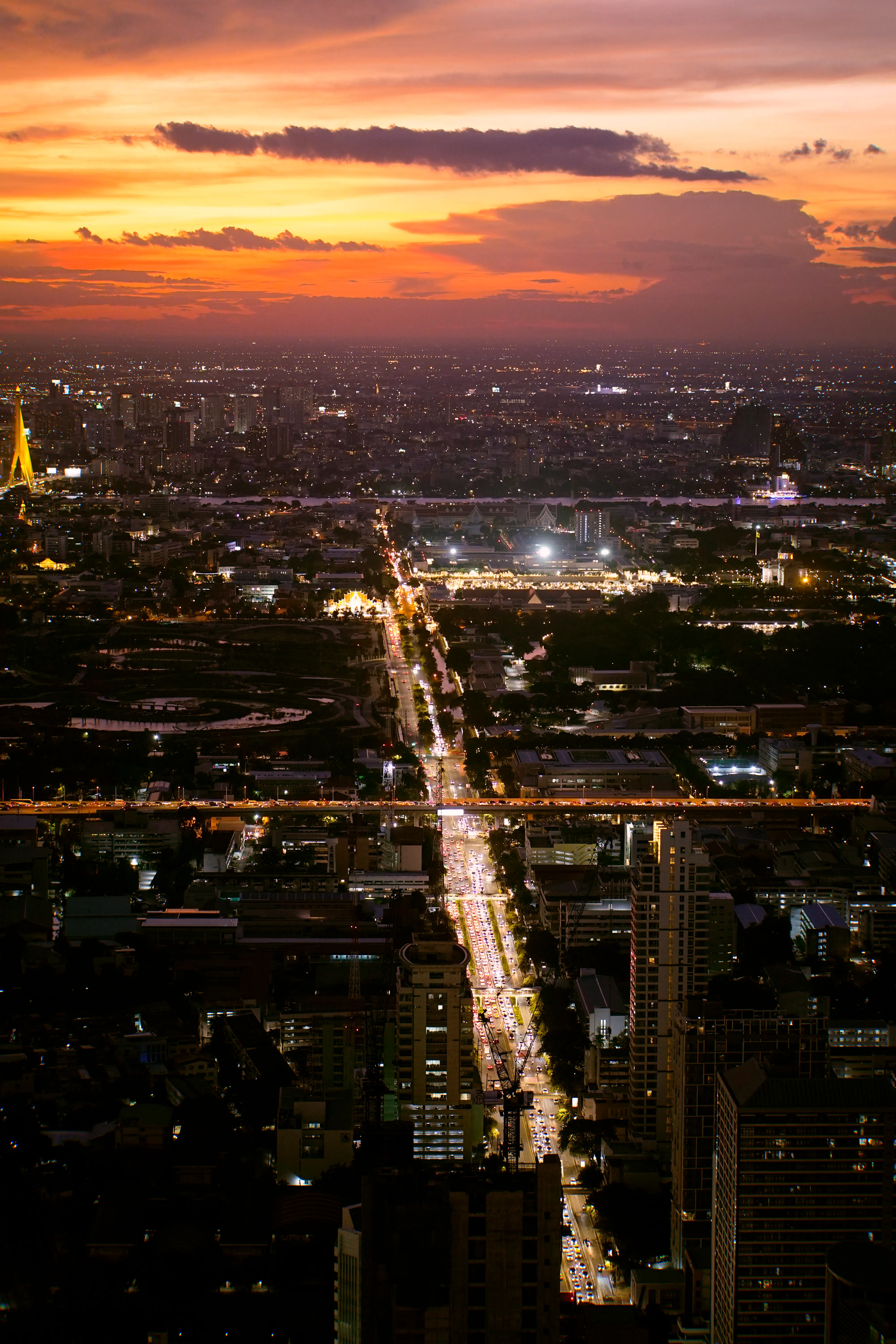
Bangkok rewards travellers who lean into it. The heat is real, the traffic is worse than you imagine, and the city sprawls in every direction — but few places pack so much sensory reward into a short visit. You can spend a morning barefoot in a 200-year-old temple, an afternoon eating boat noodles under a flyover, and an evening 50 floors up watching the Chao Phraya glitter beneath you. The trick is knowing which experiences are worth the journey across town and which are best saved for a cooler hour of the day.
Most first-time visitors try to cram everything into three days and end up exhausted in a taxi. A better approach is to cluster your days by neighbourhood, start early, and build in a long lunch when the midday sun is at its most punishing. Here's what genuinely deserves your time.
Temples, Palaces and the Old City
Rattanakosin, the historic island at the heart of Bangkok, holds the city's heavyweight sights. The Grand Palace complex and Wat Phra Kaew — home to the Emerald Buddha — are unavoidable for a reason: the scale of the gilding, mosaic and mural work is genuinely staggering. Go as close to opening as you can manage, and dress properly. Shoulders and knees must be covered for both men and women, and enforcement is strict.
A short walk south brings you to Wat Pho, where the 46-metre reclining Buddha is only half the appeal; the complex is also the birthplace of traditional Thai massage, and you can get a treatment on site. Across the river by a quick ferry hop, Wat Arun's porcelain-encrusted spire is at its best in late afternoon light, when the crowds thin and the stone glows.
If temple fatigue sets in — and it will — swap to something smaller and stranger. Wat Saket's Golden Mount offers a breezy staircase climb and a rare panoramic view over the low-rise old city. The Jim Thompson House, a compound of teak buildings assembled by an American silk entrepreneur who vanished in 1967, is one of Bangkok's most atmospheric hours and a welcome escape into shade and greenery.
Eating Your Way Through the City
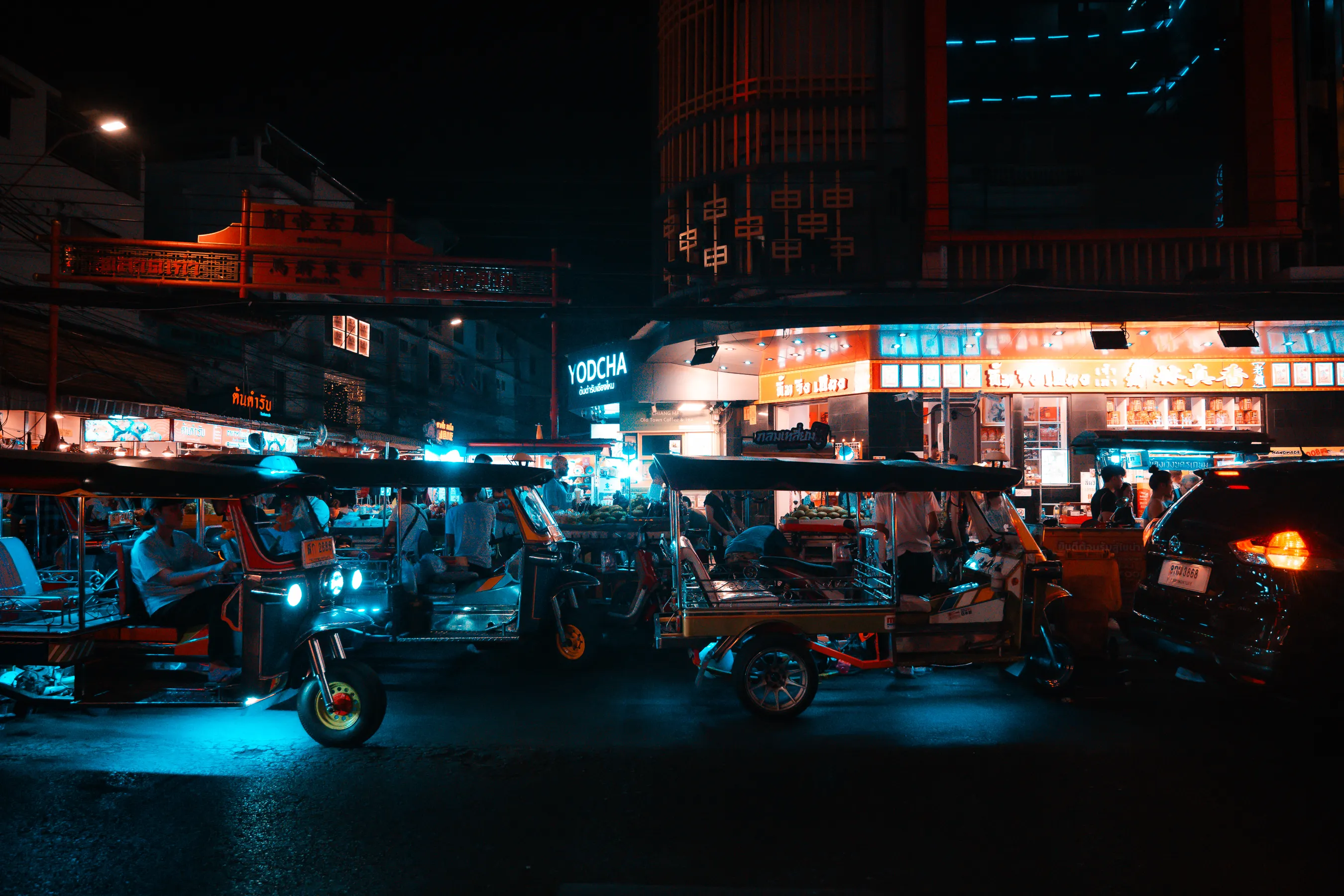
Bangkok is a genuine contender for the world's best eating city, and the good news is that the cheapest food is often the finest. Chinatown, known as Yaowarat, comes alive after dark: grilled seafood, oyster omelettes, crispy pork, bird's nest desserts and toasted bread with condensed milk, all served from carts and shopfronts along and just off the main drag. Wander the side sois rather than sticking to the neon-lit strip.
For daytime eating, seek out the fresh markets and the tiny specialist shops that do one dish supremely well — boat noodles, khao man gai (poached chicken rice), guay jub (peppery rolled noodle soup), or a bowl of khao soi if you want a taste of the north. Old Town neighbourhoods like Banglamphu and Nang Loeng are dense with long-running family kitchens. Mango sticky rice and coconut ice cream are worth ordering whenever you see them.
Beyond street food, Bangkok has a serious modern dining scene and a very good bar culture, from craft cocktail rooms in Thonglor to rooftop terraces along Sathorn and Silom. Many rooftops enforce a dress code, so pack one smart-ish outfit if that's on your list. Markets are their own form of entertainment: Chatuchak Weekend Market is enormous and best tackled with a loose plan, while riverside night markets and Rot Fai-style vintage markets offer food, live music and browsing in one go.
Rivers, Canals and Green Escapes
The Chao Phraya is Bangkok's original highway and still the most pleasant way to move around. Public riverboats stop at piers near many major sights for a fraction of a taxi fare, and longtail boat trips into the Thonburi canals reveal a quieter, stilt-house version of the city. For a half-day away from the noise, rent a bicycle in Bang Krachao — a horseshoe of forested land in a bend of the river, reached by a short ferry crossing — where paths run past gardens, temples and a local market.
Lumphini Park is the city's best bit of urban calm, busiest at dawn and dusk with joggers, tai chi groups and monitor lizards sunning themselves by the water. If you're travelling with children, the nearby museums and the aquarium-and-mall complexes offer air-conditioned relief.
Getting Around Without Losing Your Mind
Avoid taxis during peak hours if you possibly can. The BTS Skytrain and MRT metro are fast, cheap, air-conditioned and cover most modern districts, though the historic old city is better reached by river ferry or a short ride-hailing trip. Ride-hailing apps remove the haggling problem entirely; if you do take a metered taxi, insist on the meter. Tuk-tuks are fun once, but agree the fare before getting in and treat them as a novelty rather than transport.
When to Visit and Where to Base Yourself
The cool, dry season from roughly November to February is the most comfortable stretch, with lower humidity and pleasant evenings — it's also the busiest and priciest. March to May is seriously hot, while the monsoon months bring heavy but often short afternoon downpours and better hotel rates. April's Songkran water festival is a spectacle worth planning around, or avoiding, depending on your tolerance for being soaked by strangers.
For sightseeing on foot, stay in Rattanakosin or Banglamphu near the old city. Riverside hotels around Charoen Krung give you ferry access plus excellent restaurants. Sukhumvit and Silom suit travellers who want Skytrain convenience, nightlife and shopping on the doorstep. Whichever you choose, check how far you'll be from a BTS or MRT station — in Bangkok, a ten-minute walk to transit is worth more than a slightly nicer room.
Finally, a few practicalities: carry small cash notes for street food and markets, stay hydrated, always remove shoes where indicated, and treat images of the Buddha and the royal family with respect. Confirm opening hours and any entry requirements before you set out, as these change more often than guidebooks admit.