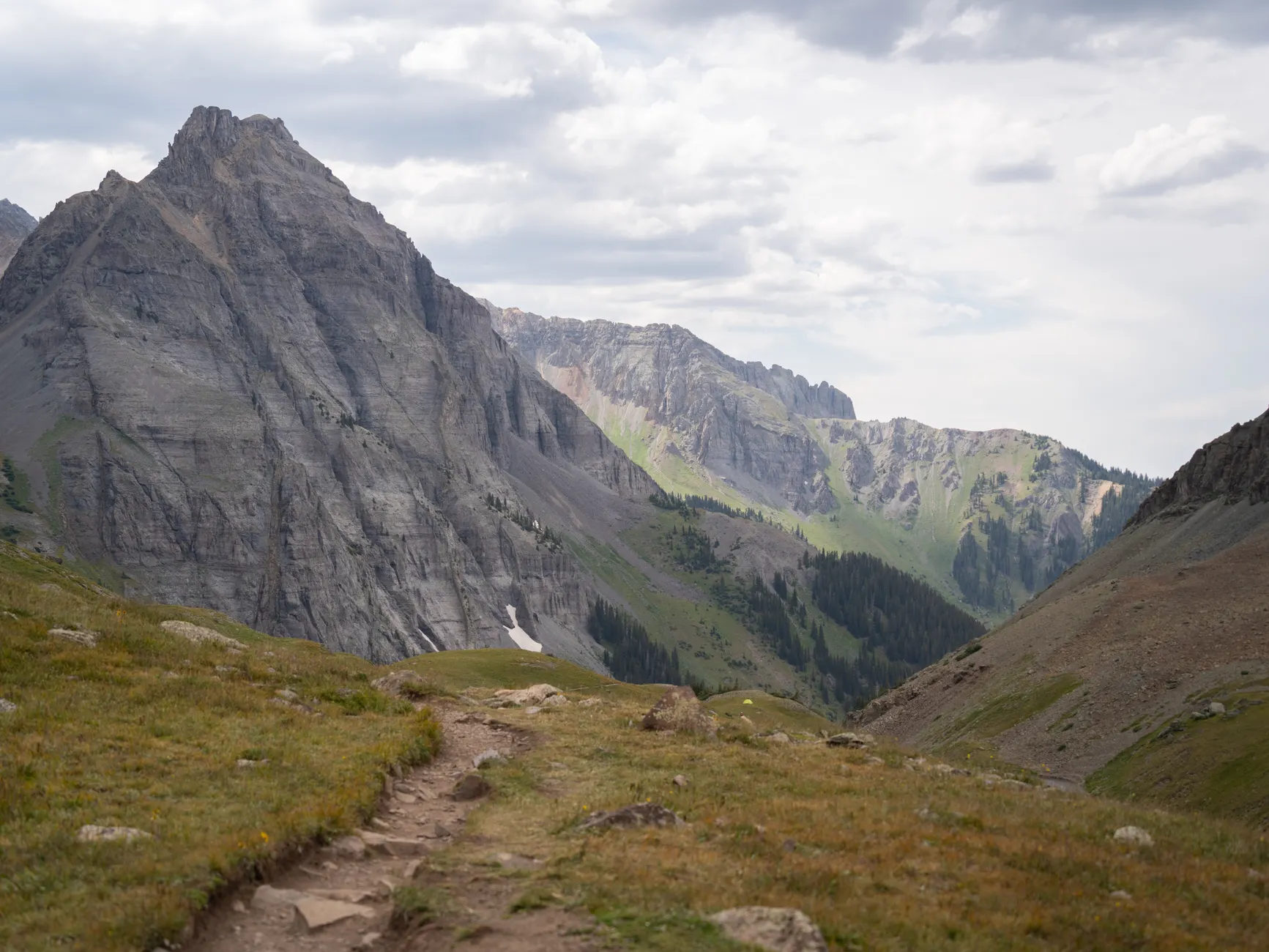
Colorado's San Juan Mountains Make American Express's 2026 Trending Destinations List
By UserCarte · 5 min read
Colorado's San Juan Mountains — the jagged volcanic range anchoring the state's southwest corner around Telluride, Ouray, Silverton and Durango — have been named among American Express Travel's trending destinations for 2026. The draw is straightforward: 14,000-foot peaks, alpine hot springs, intact Victorian mining towns and one of America's best scenic drives, all far from the traffic of Colorado's I-70 resort corridor.
Why did the San Juans land on a 2026 trending list?
Trend lists tend to reward places that feel genuinely different from the mainstream, and the San Juans qualify. This is the steepest, most heavily glaciated corner of the Rockies — a range that looks more like the Alps than the rounded, forested summits most visitors picture when they think of Colorado. Thirteen peaks top 14,000 feet, and dirt passes built for 19th-century ore wagons still climb above 12,000 feet.
The other factor is dispersal. Summit County and Aspen absorb the bulk of Colorado's visitors because they're a manageable drive from Denver. The San Juans are five to seven hours away, which has kept them comparatively uncrowded — and increasingly attractive to travelers actively trying to avoid saturated destinations. Add hot springs, a working narrow-gauge steam railroad, world-class ice climbing and some of the most reliable aspen displays in North America, and the appeal compounds.
When is the best time to visit?
Late June through September is the core season. High-country snow usually clears from the trails and 4WD passes by late June or early July, wildflowers peak in mid-July, and afternoon monsoon thunderstorms are common through August — plan to be off exposed ridgelines by early afternoon.
Late September is the headline act. The San Juans hold enormous aspen stands, and the color along the Dallas Divide, Last Dollar Road and Kebler-adjacent drives is exceptional. It's also the busiest time in Telluride and Ridgway, so book lodging months out.
Winter brings serious skiing at Telluride and Purgatory plus ice climbing in Ouray's glacially-fed canyon, though high mountain passes may close temporarily during storms. Avoid April through late May — "mud season" — when trails are slush, many restaurants close, and the alpine is neither skiable nor hikeable.
How do you get there and get around?
Fly into Montrose (MTJ) for Telluride, Ouray and Ridgway, or Durango (DRO) for the southern half of the range; both take seasonal service from major hubs. Telluride's own airport is scenic but weather-sensitive. Driving from Denver or Albuquerque is entirely reasonable and arguably better, since this is a road-trip region.
The essential route is the San Juan Skyway, a roughly 230-mile loop linking Durango, Silverton, Ouray, Ridgway, Telluride, Dolores and Mancos. Its most famous segment is the Million Dollar Highway between Silverton and Ouray — narrow, guardrail-free, cut into cliff faces, and genuinely intimidating in bad weather. A standard car handles it fine in good conditions; go slowly and skip it in snow if you're uneasy.
The backcountry passes are a different matter. Black Bear, Imogene, Engineer and Cinnamon require high-clearance 4WD and real experience, or a guided Jeep tour from Ouray, Silverton or Telluride. Don't attempt them in a rental sedan.
What should you do first?
Soak. Ouray, Ridgway and Pagosa Springs all have developed geothermal pools, ranging from municipal and family-friendly to adults-only riverside terraces — the single best way to spend an afternoon after a hard hike.
Ride the Durango & Silverton Narrow Gauge Railroad, a coal-fired steam train that has run the Animas River gorge since the 1880s and reaches canyon country no road touches. Book ahead in summer.
For hiking, Blue Lakes below Mount Sneffels and Ice Lake Basin near Silverton deliver almost unreasonably blue alpine water; both are popular enough to warrant early starts. Telluride's Bridal Veil Falls and the free gondola to Mountain Village are easy wins for shorter days. Add Mesa Verde National Park at the range's southwest edge for cliff dwellings that require a ranger-led ticket for the best sites.
Where should you stay?
Telluride is the splurge — boutique hotels, a box canyon setting, and the region's best dining, with cheaper beds up the gondola in Mountain Village. Ouray, the "Switzerland of America," is the value pick: walkable, historic, surrounded by cliffs, and centrally placed for the whole loop. Ridgway is quieter and better for families. Durango has the widest range of price points plus the most reliable restaurant scene and airport access. Silverton is the most rugged and atmospheric, with limited winter services.
One practical note: most of these towns sit between 7,000 and 9,300 feet. Spend your first night low, drink far more water than usual, and delay big hikes until day two.
Frequently asked questions
How many days do you need in the San Juan Mountains?
Five to seven days lets you drive the full San Juan Skyway loop without rushing, fit in two or three good hikes, ride the narrow-gauge railroad and soak in the hot springs. Four days is workable if you base in Ouray or Telluride. Anything shorter means choosing between the northern and southern halves.
Is the Million Dollar Highway dangerous to drive?
It's safe in dry summer conditions if you drive slowly and stay alert. The hazards are sheer unguarded drop-offs, tight switchbacks and no shoulders, not poor pavement. Conditions change fast in winter and during afternoon storms, so check road status before setting out and consider driving Silverton-to-Ouray for the inside lane.
Which is a better base, Telluride or Ouray?
Telluride offers better restaurants, nightlife, skiing and festivals, at notably higher prices. Ouray is cheaper, more central to the Skyway loop, and the clear winner for hot springs, Jeep roads and ice climbing. Choose Telluride for a resort-style trip, Ouray for mountain access and value.