Jackson Hole Travel Guide: The Gateway to Grand Teton
By UserCarte · 5 min read
Jackson Hole is a high mountain valley in northwest Wyoming that sits directly beneath the Teton Range, making it the main base for visiting Grand Teton National Park and the southern gateway to Yellowstone. The town of Jackson anchors the valley with lodging, restaurants, galleries and outfitters, while Grand Teton's lakes, trailheads and wildlife-rich flats begin just a few minutes to the north.
When is the best time to visit?
Jackson Hole has two strong seasons and two quiet ones. July through early September delivers reliable hiking weather, open park roads and long daylight, but also the biggest crowds and highest lodging rates. Late September into mid-October is arguably the sweet spot: golden aspens and cottonwoods, bugling elk during the rut, cool clear mornings and thinner traffic. Winter runs roughly December through March, when Jackson Hole Mountain Resort, Snow King and Grand Targhee draw serious skiers and the valley turns into a snow-sport hub. April through May and November are shoulder or "mud" season — cheapest rates, but many park roads, trails and seasonal businesses are closed. If you want the Tetons at their most photogenic with fewest people, aim for the first two weeks of October or early June, when snow lingers high on the peaks.
How do you get there and get around?
Jackson Hole Airport is the only commercial airport located inside a U.S. national park, sitting on the valley floor with the Tetons filling the windows on approach. It has direct seasonal service from several major hubs, though fares run high and winter weather can cause delays. The common alternative is flying into Salt Lake City and driving roughly five hours north, or reaching Jackson from Idaho Falls in about three. A rental car is close to essential for the national parks, since distances are large and pullouts are the whole point. In town, Jackson is compact and walkable, and the local START bus links Jackson with Teton Village and nearby communities — useful in ski season when resort parking fills early. Remember that Grand Teton's Teton Park Road and the interior roads of Yellowstone close to cars in winter, so a winter trip is a different itinerary entirely.
What are the best things to do?
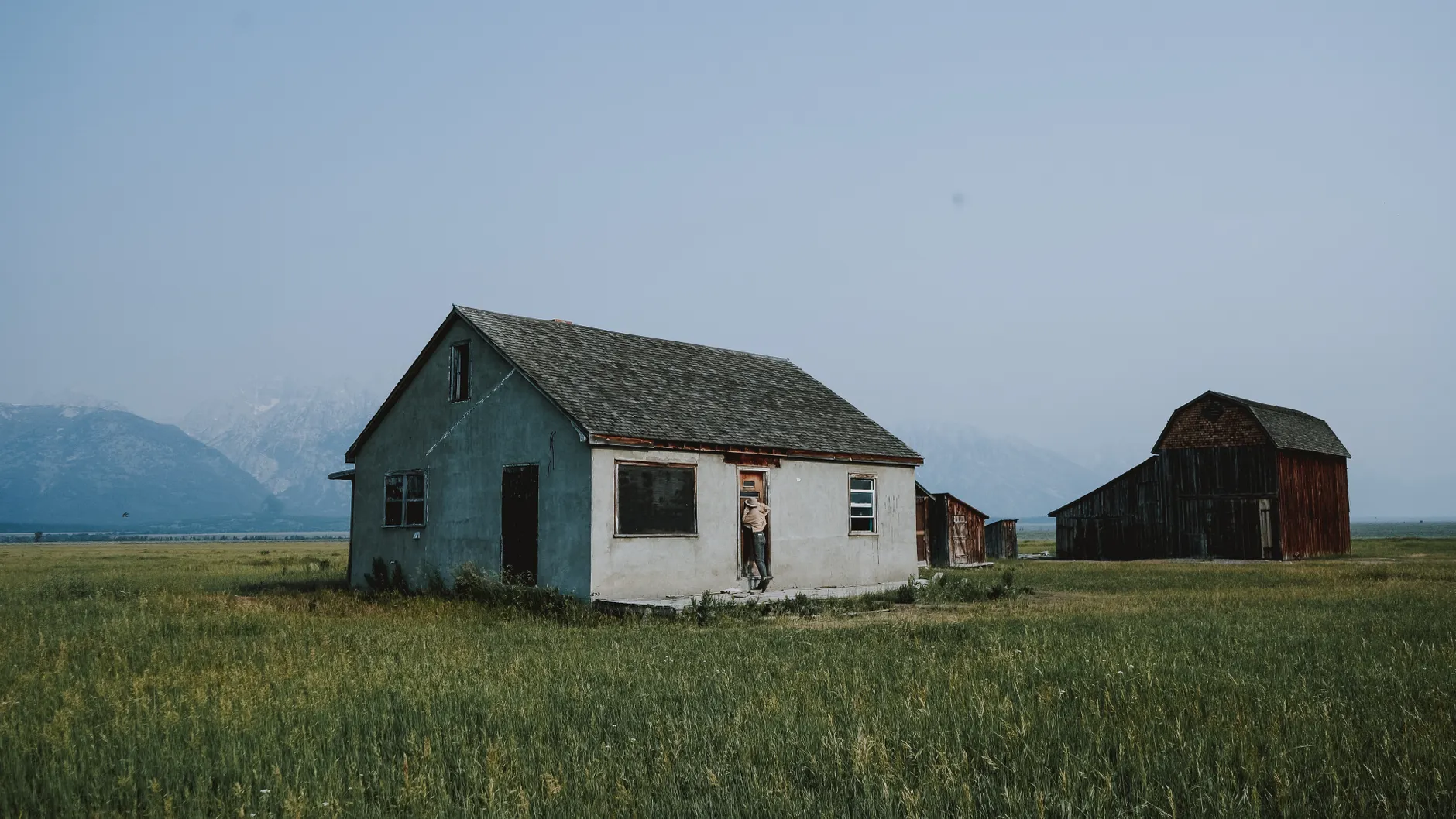
Start in Grand Teton National Park. The classic viewpoints — Oxbow Bend, Schwabacher Landing, Snake River Overlook and the weathered barns of Mormon Row — are best at sunrise, when the range lights up and wildlife is active. For hiking, the Jenny Lake area is the headline: take the shuttle boat or walk the shoreline to Hidden Falls and Inspiration Point, then continue into Cascade Canyon for a much quieter afternoon. Taggart and Bradley Lakes make an easier half-day, while Delta Lake is a steep, unofficial scramble that rewards experienced hikers with the valley's most photographed alpine water. Scenic Snake River float trips and whitewater runs south of town are excellent for families. In Jackson itself, the town square's elk-antler arches, the National Museum of Wildlife Art and the sleigh rides or wildlife tours at the National Elk Refuge fill non-hiking days. Riding the aerial tram at Teton Village gets you to 10,000 feet in about 12 minutes, summer or winter.
Where should you stay?
Downtown Jackson is the most practical base: you can walk to dinner, book tours easily and drive into Grand Teton in under half an hour. Teton Village puts you at the base of the ski lifts, which matters in winter and means quieter evenings in summer. Inside Grand Teton, the historic park lodges and cabins near Jackson Lake and Jenny Lake are wonderful for early-morning access but book out many months ahead, as do the park campgrounds. For lower rates, look at Wilson, Alpine, or the Idaho side over Teton Pass — just factor in the drive and possible winter pass closures.
What should you know before you go?
This is grizzly and black bear country. Carry bear spray on trails, know how to use it, store food properly and keep the required distance from all wildlife — a minimum of 100 yards from bears and wolves, 25 yards from everything else. The valley floor sits above 6,000 feet and peaks rise far higher, so pace yourself the first day, drink more water than feels necessary and pack layers; summer afternoons bring thunderstorms and nights get cold year-round. Grand Teton charges a per-vehicle entrance fee valid for several days, and an America the Beautiful pass pays off quickly if you're also visiting Yellowstone. Jackson is an expensive town by Western standards, so book lodging, rental cars and popular tours as far ahead as you can, and confirm current road and trail status with the park before setting out.
Frequently asked questions
How many days do you need in Jackson Hole?
Three to four days is a comfortable minimum: one for Grand Teton's scenic drive and viewpoints, one for a longer hike, and one for the town, a float trip or the aerial tram. Add two or three more days if you also plan to drive north into Yellowstone.
Is Jackson Hole the same as Grand Teton National Park?
No. Jackson Hole is the name of the valley, which includes the town of Jackson, Teton Village and surrounding ranchland. Grand Teton National Park occupies much of the valley's northern and western portion, including the Teton Range itself. You stay in Jackson Hole and visit the park.
Can you visit Yellowstone from Jackson Hole?
Yes. Yellowstone's South Entrance is roughly an hour and a half north of Jackson via Grand Teton, making a day trip possible though rushed. Note that the route and Yellowstone's interior roads close to cars from about early November until late spring, so check seasonal openings before planning.