Jamaica or the Bahamas: Picking Your Caribbean Beach Vacation
By UserCarte · 5 min read
Choose Jamaica if you want lush mountains, waterfalls, a deep music and food culture, and strong all-inclusive value. Choose the Bahamas if your priority is impossibly clear turquoise water, powdery sand, boating and island-hopping, plus shorter flights from the US East Coast. Jamaica is one large, varied island; the Bahamas is an archipelago of hundreds, which changes how you plan entirely.
What is the real difference between them?
Geography drives everything. Jamaica is a single mountainous island roughly 145 miles long, with the Blue Mountains rising over 7,000 feet, rainforest-fed rivers, and distinct resort regions — Montego Bay, Negril, Ocho Rios, Port Antonio and the capital, Kingston. You can spend a week there and still feel you only scratched the surface, and road trips between regions are genuinely scenic.
The Bahamas is a low-lying archipelago of some 700 islands and cays spread across a huge stretch of shallow Atlantic water. Nassau on New Providence and Paradise Island hold the big resorts, casinos and cruise traffic; Grand Bahama is closer to Florida; and the Out Islands — Exuma, Eleuthera, Abaco, Andros, Long Island — are where you find near-empty beaches and the famous luminous shallows. Technically the Bahamas sits in the Atlantic, not the Caribbean Sea, which is why its water reads that distinctive pale blue.
Culturally they diverge too. Jamaica is loud, creative and unmistakable: reggae and dancehall, jerk pits, patois, Rastafarian heritage, a famously strong sense of national identity. The Bahamas is quieter and more Anglo-Caribbean in feel, with Junkanoo street parade culture, conch-centred cooking, and a strong boating and fishing tradition.
Which one is better for beaches and water?
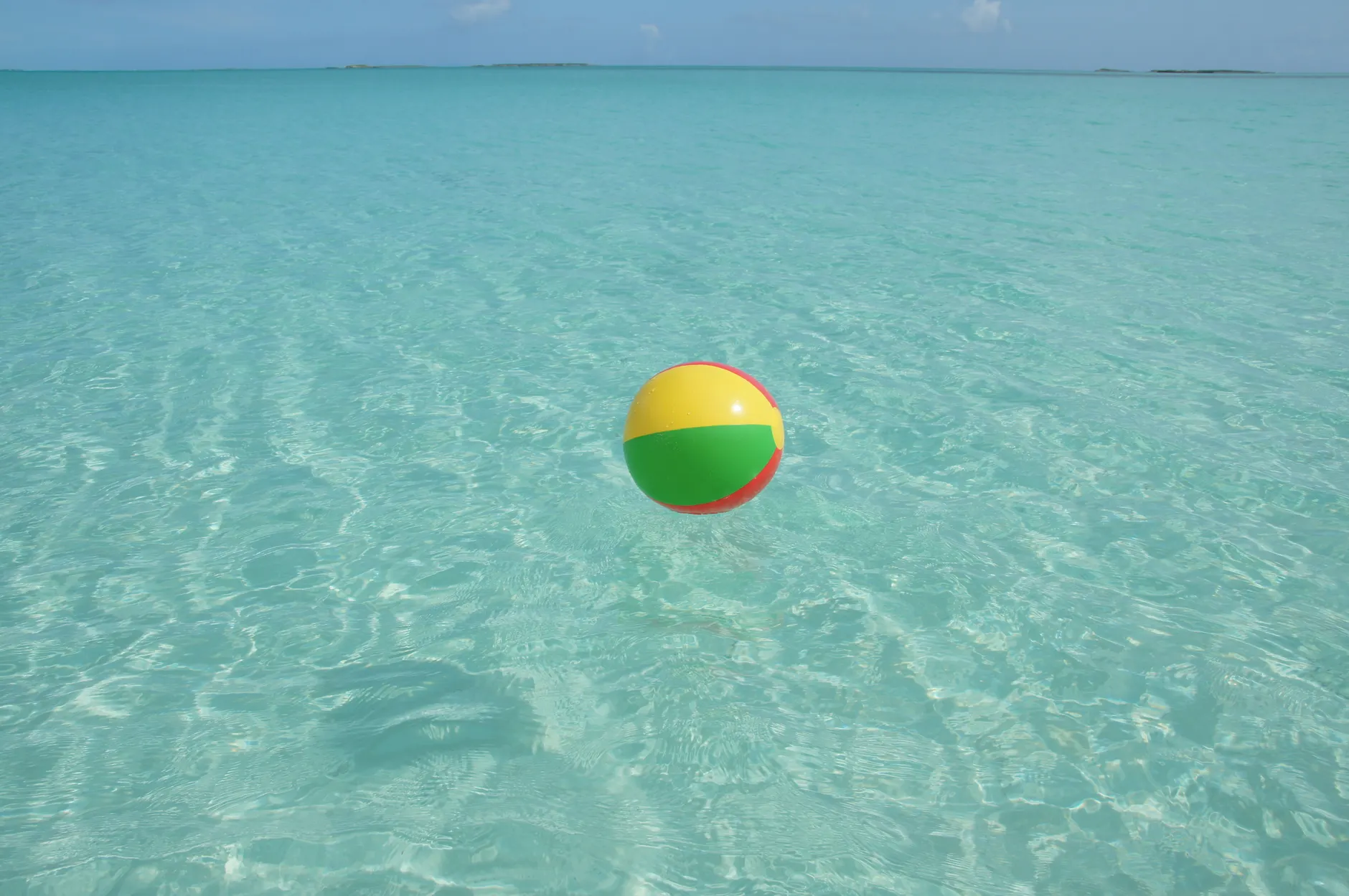
If beach quality is the deciding factor, the Bahamas usually wins. The shallow banks surrounding the islands produce a glowing aquamarine colour that photographs look faked next to. Exuma's sandbars, Eleuthera's pink-sand stretches and Harbour Island are among the best beaches anywhere, and snorkelling, bonefishing and day-boating are built into the culture. The Bahamas also has superb diving, including blue holes and shark dives.
Jamaica's beaches are very good rather than world-beating — Negril's Seven Mile Beach is the standout, with long golden sand and famous cliff-jumping and sunset spots just south at the West End. But Jamaica's water-based appeal is different: rafting on the Rio Grande, climbing Dunn's River Falls, swimming in the Blue Hole near Ocho Rios, and the bioluminescent lagoon at Falmouth. It trades postcard clarity for variety and adventure.
When is the best time to visit?
Both islands share a similar rhythm. Mid-December through April is peak season: driest, least humid, and most expensive, with the Bahamas noticeably cooler and breezier than Jamaica in January and February. Late spring, roughly May into early June, is the sweet spot for value — warm water, thinner crowds, lower rates.
Atlantic hurricane season runs June through November, with the highest risk typically August to October. Jamaica's position makes it vulnerable to Caribbean storms; the Bahamas is exposed to Atlantic systems. If you travel then, prices drop sharply, but buy travel insurance and favour bookings with flexible cancellation. Jamaica's interior and the Blue Mountains are cooler and wetter year-round, which is a feature rather than a problem if you're hiking.
How do costs and getting around compare?
Jamaica is generally the better value, especially for all-inclusive resorts, and it has a far wider budget range — from guesthouses in Treasure Beach and Port Antonio to high-end villas. Local food is inexpensive and excellent: jerk chicken from a roadside drum, patties, festival, ackee and saltfish.
The Bahamas tends to run more expensive, partly because so much is imported and partly because the resort market skews upmarket. Nassau has mid-range options, but the Out Islands are mostly boutique inns, rentals and small lodges at premium rates.
Getting around differs too. In Jamaica, route taxis and private transfers are standard, the north-coast highway is good, and a driver for the day is the stress-free way to cover ground — note that driving is on the left. In the Bahamas, moving between islands means domestic flights, fast ferries or mail boats, which takes planning and adds cost. On single islands, taxis, golf carts and small rental cars cover most needs.
So which should you book?
Pick Jamaica for a first big Caribbean trip where you want culture, music, food, waterfalls, hiking and resort value in one place, and don't mind that the sea isn't the clearest in the region. Pick the Bahamas for a short, easy, water-focused escape — a long weekend from Florida, a honeymoon on Harbour Island, a boating week in the Exumas, or world-class diving. Families with young kids often find Nassau's mega-resorts and short flights easiest; adventurous travellers and repeat visitors usually get more out of Jamaica.
Tourist map: Jamaica or the Bahamas: Picking Your Caribbean Beach Vacation
- 1. Montego Bay, Jamaica — open in Google Maps
- 2. Seven Mile Beach, Negril — open in Google Maps
- 3. Ocho Rios, Jamaica — open in Google Maps
- 4. Nassau, Bahamas — open in Google Maps
- 5. Paradise Island, Bahamas — open in Google Maps
- 6. George Town, Exuma — open in Google Maps
Frequently asked questions
Is Jamaica or the Bahamas cheaper?
Jamaica is usually cheaper. It has more competition among all-inclusive resorts, a broader range of guesthouses and villas, and inexpensive local food and transport. The Bahamas imports most goods and its resort market skews upmarket, so hotels, restaurants and inter-island flights typically cost more for comparable quality.
Which has better beaches, Jamaica or the Bahamas?
The Bahamas has better beaches overall, thanks to shallow banks that create exceptionally clear turquoise water and soft white or pink sand, especially in Exuma and Eleuthera. Jamaica's best beach, Negril's Seven Mile Beach, is excellent, but Jamaica's strength lies in waterfalls, rivers and mountain scenery instead.
Is the Bahamas actually in the Caribbean?
Geographically the Bahamas lies in the Atlantic Ocean, north of the Caribbean Sea, though it's culturally and politically grouped with the Caribbean and part of CARICOM. That Atlantic position, over vast shallow banks, is exactly what produces the pale glowing water the islands are known for.