Japan in 10 Days Complete Itinerary
By UserCarte · 4 min read
Ten days is the sweet spot for a first trip to Japan. It's long enough to see Tokyo properly, sleep in a ryokan, walk Kyoto's temple districts without rushing, and still eat your way through Osaka — but short enough that you need a plan. The single biggest mistake first-timers make is trying to add Hiroshima, Kanazawa, Takayama and Hokkaido to the same trip. Japan rewards depth over distance. This itinerary sticks to the classic Tokyo–Kyoto corridor, which is where the country's rail network is fastest and its highlights are densest.
The 10-Day Route at a Glance
Days 1–4: Tokyo. Land at Haneda or Narita, and give yourself a soft first day — jet lag from Europe or North America is brutal. Base yourself once and don't move hotels. Day one: Shibuya and Harajuku, ending with sunset drinks somewhere high up. Day two: Asakusa's Senso-ji early, then the kitchenware shops of Kappabashi, then Ueno Park. Day three: Shinjuku, the Tokyo Metropolitan Government Building's free observation decks, and a night in Golden Gai or Omoide Yokocho. Day four: a day trip — Nikko for shrines and cedar forest, or Kamakura for coastal temples and the Great Buddha.
Day 5: Hakone or Fuji Five Lakes. Break the journey west with a night in an onsen town. Hakone's loop of ropeway, pirate boat and sulphurous valley is touristy but genuinely fun, and on clear days Mount Fuji looms over Lake Ashi. Book a ryokan with a private or public bath and eat the multi-course kaiseki dinner they serve — this is the night you'll remember.
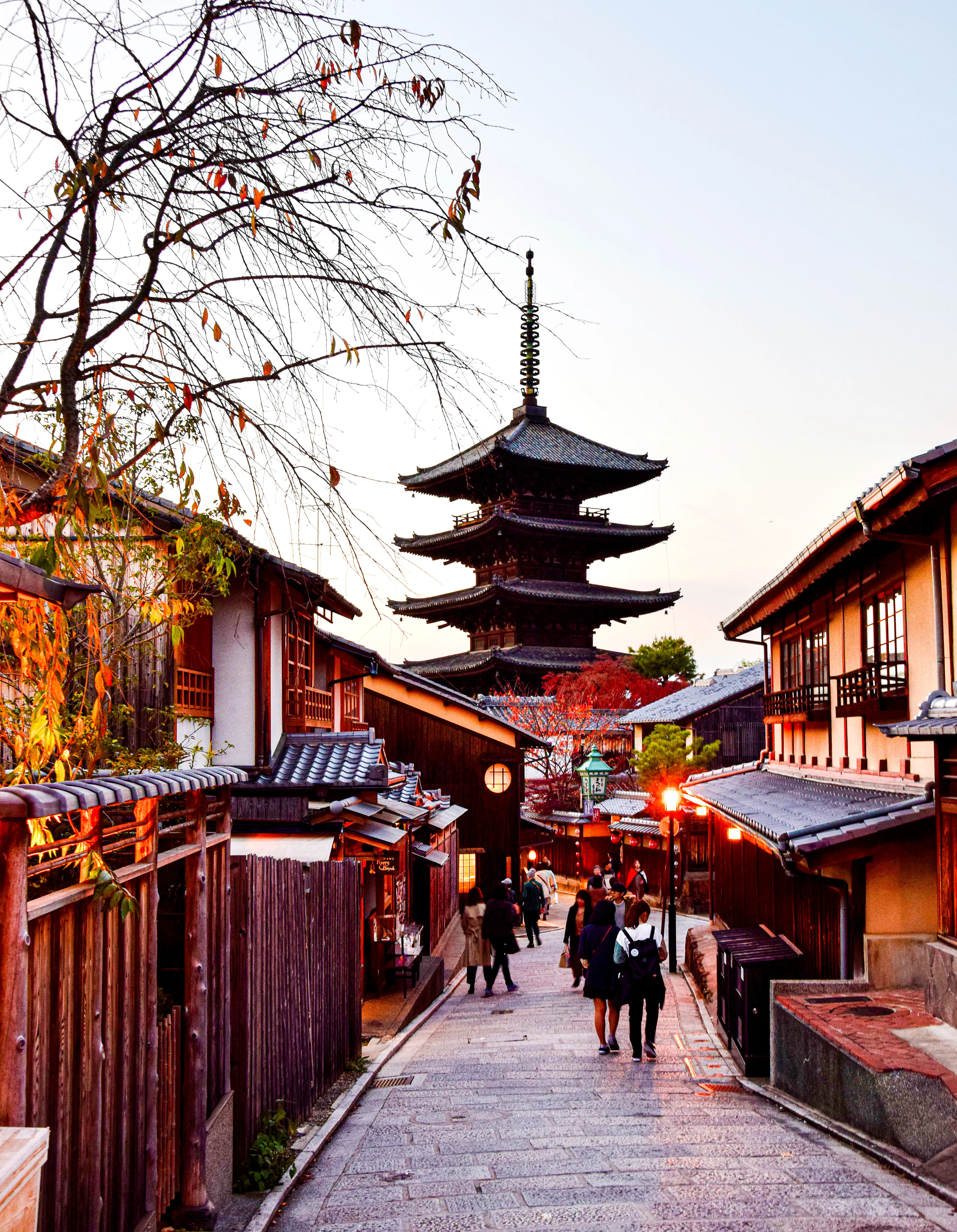
Days 6–8: Kyoto. Three full days is the minimum. Day one: eastern Kyoto — Kiyomizu-dera, the Higashiyama lanes, Yasaka Shrine and Gion at dusk. Day two: Arashiyama's bamboo grove at opening time, Tenryu-ji, then the Kinkaku-ji golden pavilion. Day three: Fushimi Inari's torii gates before breakfast (the only time they're quiet), then Nara as a half-day trip for Todai-ji's colossal Buddha and the famously bowing deer.
Days 9–10: Osaka. Thirty minutes from Kyoto, Osaka is louder, friendlier and better for eating. Wander Dotonbori and Shinsekai, climb Umeda Sky Building, and consider a half-day at Osaka Castle. Fly home from Kansai International, which saves you backtracking to Tokyo.
Best Time to Visit
Late March to early April brings cherry blossom and the country's biggest crowds — beautiful, but book accommodation months out. Late October to early December is arguably better: cool, dry, with maple colour peaking in Kyoto around late November. May and early June are pleasant before the rainy season sets in. Avoid mid-July through August if you can, when humidity in the Kansai region is genuinely oppressive, and steer clear of Golden Week (early May), Obon (mid-August) and New Year, when domestic travel surges and prices spike.
Getting Around: Trains, Passes and IC Cards
The Tokyo–Kyoto–Osaka leg is served by the Tokaido Shinkansen, and reserved seats are worth it on busy travel days. Whether a Japan Rail Pass makes financial sense has changed in recent years, so price your actual route against individual tickets before buying — for a trip this compact, point-to-point tickets often win, while a regional Kansai pass can be useful for the Kyoto–Nara–Osaka days.
Get an IC card (Suica, Pasmo or ICOCA) or set one up in your phone's wallet on arrival. It works on subways, buses and convenience stores nationwide and removes all ticket-machine stress. In Kyoto, buses reach temples the subway doesn't, but traffic is slow — combine walking with the occasional taxi for short hops. Google Maps is reliable for Japanese transit down to the platform number.
Where to Stay in Each City
In Tokyo, Shinjuku and Shibuya put you on multiple rail lines with endless food; Asakusa is cheaper and more atmospheric but further from nightlife. In Kyoto, staying near Kyoto Station is the most practical for day trips, while Gion and the Kawaramachi area are more charming and walkable to temples. In Osaka, Namba and Umeda are the two obvious bases. Mix hotel types: a business hotel for efficiency, a ryokan in Hakone for the experience, and perhaps a night in a capsule hotel for the story. Rooms are small by Western standards — pack light and use luggage forwarding services (takuhaibin) to send bags ahead between cities.
Practical Tips That Actually Matter
Carry some cash; card acceptance is now widespread but small restaurants, shrines and rural buses can still be cash-only. Convenience stores have reliable ATMs. Download an offline map and consider a pocket Wi-Fi or eSIM — you'll navigate constantly.
Reserve ahead for anything ticketed and popular: teamLab exhibitions, the Ghibli Museum, sumo tournaments and high-end sushi counters all sell out well in advance. Coin lockers at stations save you dragging bags around on transit days. Learn to queue, keep your voice down on trains, don't eat while walking, and carry a small bag for rubbish — public bins are rare. Finally, book at least two unstructured evenings. The best hours in Japan are usually the ones you didn't plan.