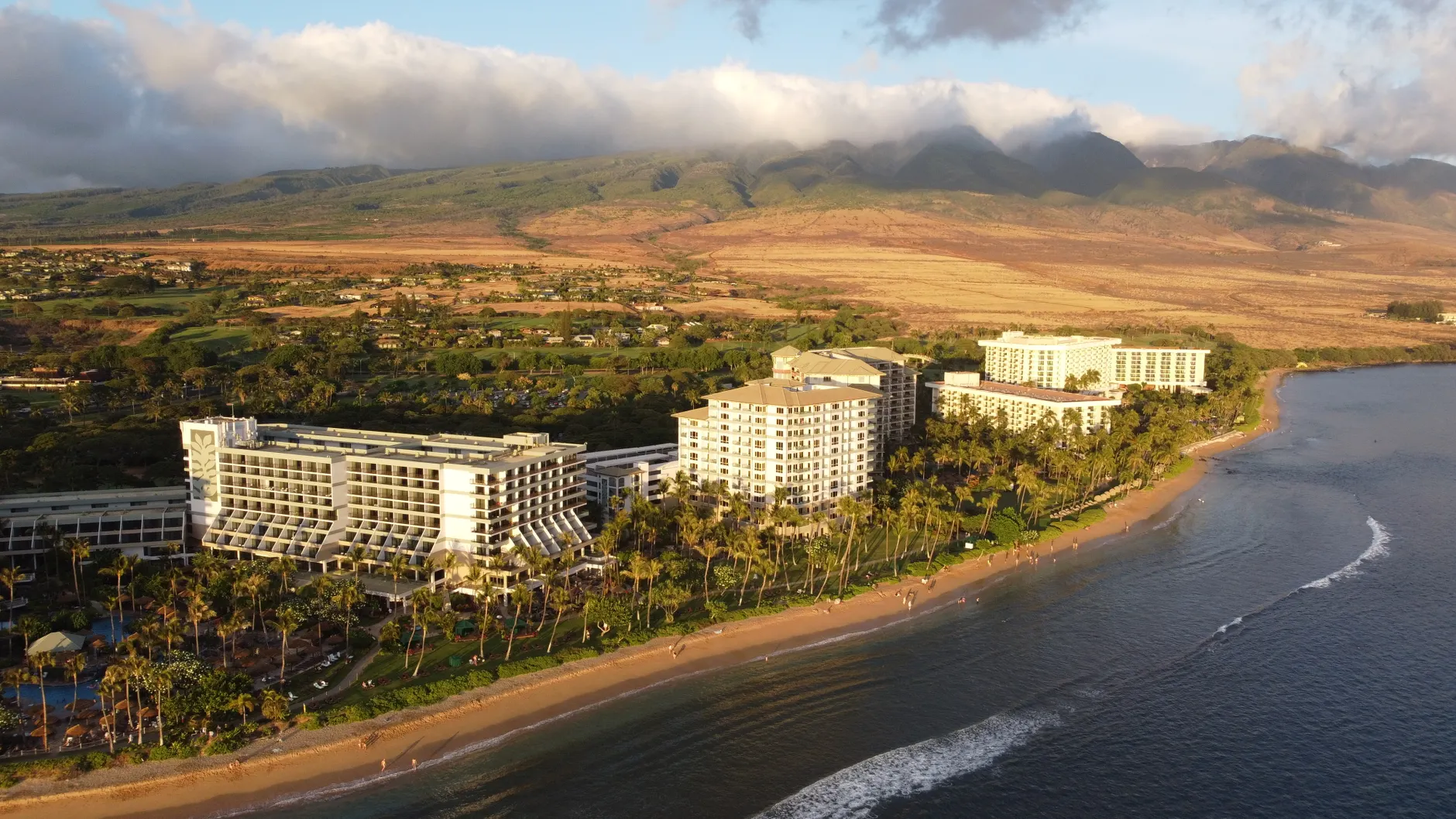
Maui Is Back: Why Hawaii's Signature Island Is Seeing Renewed Demand in 2026
By UserCarte · 5 min read
Maui is open, operating, and actively asking visitors to come back. Nearly every resort area — Kaanapali, Kapalua, Napili, Wailea, Kihei, Paia and Hana — is welcoming guests, with restaurants, tours and beaches running normally. Demand is rebounding in 2026 because hotel availability improved, airlift from the U.S. mainland stabilized, and repeat visitors returned once they understood that tourism income directly funds local recovery.
What actually happened, and what's open now?
The August 2023 wildfires devastated historic Lahaina town and parts of Upcountry Maui. The tragedy was concentrated: it destroyed a town, not an island. Resort districts just a few miles north of Lahaina, including Kaanapali and Kapalua, were physically untouched and reopened in phases within months.
The important distinction for trip planning is that Lahaina town itself — Front Street, the banyan tree area, the old harbor shops — is a rebuilding community, not a visitor attraction. Much of it remains a construction and residential recovery zone with restricted access. Some businesses on the town's fringes have reopened, and that will keep expanding through 2026, but you should not plan a day of sightseeing there. Treat it the way you'd treat any neighborhood recovering from disaster: go where you're invited, spend money at reopened businesses, and skip the rest.
Everything else that made Maui famous is intact. Haleakala National Park, the Road to Hana, Iao Valley, the snorkeling at Molokini and Honolua Bay, the whale-watching grounds of the Auau Channel, and the beaches of the south and west shores are all operating.
Why is demand rising again in 2026?
Three forces are pushing visitors back. First, the message finally landed — the state, county and local business owners spent two years clarifying that staying away was hurting the same families the fires displaced. Maui's economy is overwhelmingly visitor-driven, and job losses compounded housing losses.
Second, value improved. During the slow period, many hotels and condos competed harder on rates, added resort-credit packages, and waived or reduced some fees. Some of that softness persists into 2026, particularly in shoulder months, which is unusual for an island that historically sold out on price alone.
Third, pent-up demand is real. Maui has an extraordinarily high repeat-visitor rate — people come back for decades to the same condo complex and the same beach. Those travelers deferred trips out of respect and are now rebooking, often for longer stays.
When is the best time to visit?
Maui is a year-round destination, but the character of a trip changes by season. Mid-December through March brings humpback whales — the single best reason to visit in winter — along with cooler evenings, occasional heavy rain on the windward side, and peak holiday pricing. April through early June and September through mid-November are the sweet spots: warm water, calmer trade winds, thinner crowds and better rates. July and August are hot, dry, busy with families, and the most expensive for flights.
For Haleakala sunrise, reservations are required and released on a rolling schedule, so check the National Park Service site the moment you lock in dates. Sunset at the summit requires no reservation and is nearly as spectacular.
Where should you stay?
Your choice of coast matters more on Maui than on most islands, because driving times are long and the highways are slow.
West Maui (Kaanapali, Honokowai, Napili, Kapalua) offers calm swimming beaches, big resorts and condo complexes, and easy access to snorkeling. Staying here is also the most direct way to support the businesses most affected by the fires' economic fallout.
South Maui (Kihei, Wailea, Makena) is the driest and sunniest stretch, with Kihei serving budget and mid-range travelers and Wailea holding the luxury resorts. It's the best base for Molokini trips and for reaching Haleakala.
Upcountry and the east side (Makawao, Kula, Hana) suit travelers who want cool air, working ranch country, and genuine quiet. Hana in particular rewards an overnight rather than a rushed day trip.
How do you visit responsibly?
A few habits make a measurable difference. Rent a car but plan around it — drive the Road to Hana early, and avoid it entirely on days you're tired. Buy reef-safe mineral sunscreen; Hawaii restricts certain chemical sunscreens. Book tours and dinners with locally owned operators rather than defaulting to the resort desk. Never enter restricted areas or photograph the Lahaina burn zone. Ask before assuming a beach access path is public. Bring reusable water bottles and pack out everything.
Water safety deserves emphasis: Maui's drownings overwhelmingly involve visitors. Check conditions at the beach you're actually swimming at, respect posted warnings, and snorkel with a buddy in the morning when the water is calmest.
Frequently asked questions
Is it OK to travel to Maui in 2026?
Yes. Maui's tourism industry, county officials and local business owners actively encourage visitors. Resort areas and attractions are fully operating, and visitor spending is a primary engine of the island's economic recovery. The one firm request is to stay out of Lahaina's restricted rebuilding zone and treat the area as a residential community rather than a sightseeing stop.
Can you visit Lahaina town now?
Only partially. Front Street's historic core and much of the surrounding town remain a rebuilding and residential recovery area with restricted access. A growing number of businesses on the town's edges and along the highway have reopened and welcome customers. Support those directly, follow all posted access rules, and don't photograph damaged areas.
How many days do you need in Maui?
Seven days is the practical sweet spot: enough for a Haleakala trip, a full Road to Hana day, a snorkel excursion, and several unstructured beach days without constant driving. Five days works if you pick one coast and stay put. Ten days or more lets you add an overnight in Hana or a neighbor-island day trip.