Orange County, California's Coastal Comeback: Inside a Fastest-Growing 2026 US Destination
By UserCarte · 5 min read
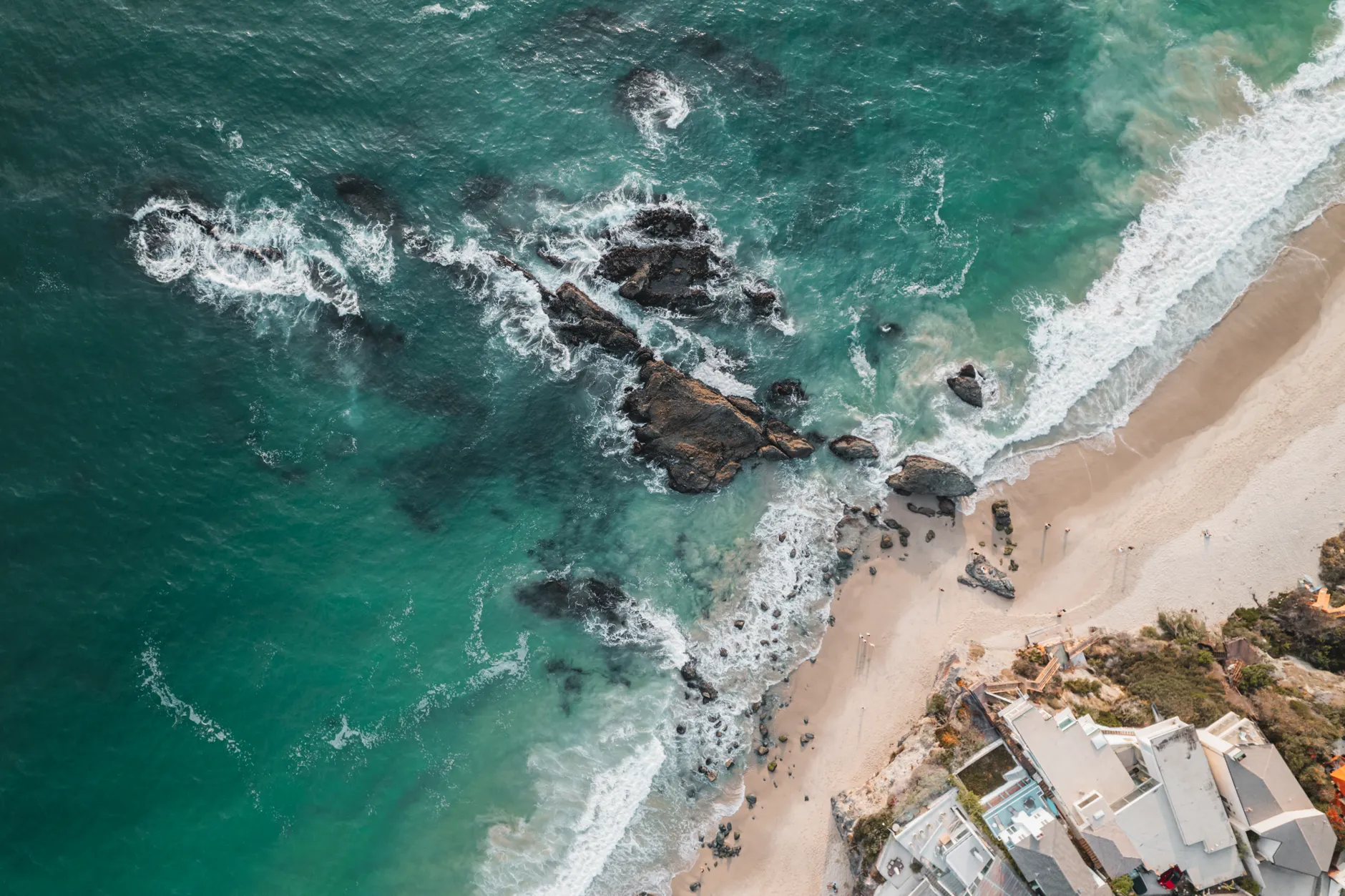
Orange County sits between Los Angeles and San Diego with roughly 42 miles of coastline, and it is surging in popularity for 2026 on the back of major resort renovations, a rebuilt Dana Point Harbor, a walkable new wave of harbor and downtown districts, and Southern California's build-up to the 2028 Olympics. Expect surf towns, year-round whale watching and serious food, without Los Angeles gridlock.
What is actually driving Orange County's coastal comeback?
For years Orange County was treated as a day trip from Disneyland. That has flipped. Dana Point's harbor has undergone a long, sweeping redevelopment that replaced tired 1970s buildings with new promenades, restaurants, marina facilities and a far more inviting waterfront, and the adjacent Lantern District has filled in with independent bars and kitchens. Older beachfront hotels in Huntington Beach, Newport Beach and Laguna Beach have been renovated or rebranded, pushing the region's hotel stock upmarket. Inland, Anaheim keeps expanding its theme park and convention offerings, while Costa Mesa and Santa Ana have become the county's real culinary centers. The result is a destination with big-resort infrastructure and small-town beach character in the same trip.
When is the best time to visit?
September and October are the sweet spot: the marine layer has burned off, ocean temperatures are at their warmest, crowds thin after Labor Day and rates soften. Late spring brings "May Gray" and "June Gloom," when mornings can be gray and cool even when inland Orange County is sunny, so pack a layer and plan beach time for afternoons. July and August are hot, busy and expensive, but that is also when Laguna Beach's summer arts festivals run. Winter is quietly excellent value, with mild days, dramatic surf and gray whale migration offshore.
Which coastal town should you base yourself in?
Each town has a distinct personality, and choosing well matters more than in most destinations because you will not want to drive Pacific Coast Highway twice a day in summer.
Huntington Beach is the classic surf town, with a long pier, a wide sandy beach, beach bonfire rings and the Bolsa Chica wetlands just up the coast for birdwatching. Newport Beach suits families and boaters: the Balboa Peninsula, the vintage fun zone, the tiny car ferry to Balboa Island, and the bluffs and tide pools of Crystal Cove State Park just south. Laguna Beach is the scenic pick, an old artists' colony of coves, headland trails, galleries and boutique hotels within walking distance of the water. Dana Point is the comeback story, with the new harbor, whale watching fleets and the Catalina ferry. San Clemente is the low-key surf choice, with a beachfront pedestrian trail and legendary breaks nearby. Budget travelers should look at Anaheim or Costa Mesa, where rooms cost less and the coast is 20 to 30 minutes away.
How do you get around, and do you need a car?
A car is the easiest option, and John Wayne Airport in Santa Ana is far more convenient than LAX for a coastal trip. Long Beach and LAX work as fallbacks with more flight choices. If you would rather skip driving, Amtrak's Pacific Surfliner runs one of the most scenic rail corridors in the country, hugging the sand through San Clemente, with Orange County stops including Anaheim, Santa Ana, Irvine, San Juan Capistrano and San Clemente; check current service, as the coastal track south of Dana Point has periodically closed for stabilization work. Metrolink commuter trains add weekend beach service, and local OCTA buses connect coastal towns. Within towns, bikes and e-bikes are ideal: paved beach paths run for miles in Huntington Beach and Newport Beach. Beach parking lots fill by mid-morning on summer weekends, so arrive early or pay for a hotel with parking.
What should you do while you are there?
Book a whale watching trip out of Dana Point or Newport Beach; gray whales pass through in winter and spring, and blue whales and dolphin megapods appear in summer. Take a surf lesson in Huntington Beach, where the beach break is forgiving and boards and wetsuits are easy to rent. Walk the tide pools and historic cottages at Crystal Cove, hike the ridge trails above Laguna Beach for coastline views, and tour Mission San Juan Capistrano for the county's oldest building. Eat in Little Saigon in Westminster and Garden Grove, one of the best Vietnamese food districts anywhere outside Vietnam, then browse the antique shops of Old Towne Orange. Save a day for Disneyland Resort or Knott's Berry Farm if you are traveling with kids.
Frequently asked questions
Is Orange County worth visiting?
Yes, especially if you want Southern California beaches without Los Angeles traffic and parking stress. The appeal is variety within a compact area: surf towns, coves and tide pools, theme parks, excellent Vietnamese and Mexican food, and a genuinely walkable harbor scene in Dana Point, all within about an hour's drive.
How many days do you need in Orange County?
Four to five days is ideal. That allows two full beach days, one inland day for theme parks or Little Saigon, a whale watching or boat trip, and time to explore two or three different coastal towns. A long weekend works if you stay put in one town and skip the theme parks.
Can you swim in the ocean in Orange County?
Yes, though the Pacific is colder than most visitors expect, running cool even in summer and chilly the rest of the year. Many people rent a wetsuit. Lifeguards patrol main beaches in season, rip currents are common, and swimming is best at protected spots like Corona del Mar and Laguna's sheltered coves.