Skip Rome and Paris: Why Eastern Europe Is the Trending 2026 Alternative
By UserCarte · 5 min read
Eastern Europe is trending as a 2026 alternative to Rome and Paris because it delivers comparable historic centres, museums and food scenes with noticeably lower costs, lighter crowds and shorter queues. Cities like Krakow, Budapest, Ljubljana, Tallinn, Sofia and Belgrade are well connected by budget airlines and overnight trains, and most reward a slower, less ticket-driven style of travel than Western Europe's headline capitals.
Why are travellers swapping Rome and Paris for Eastern Europe?
The push factors are easy to name. Rome and Paris now absorb enormous summer visitor numbers, which shows up as timed-entry tickets booked weeks ahead, long security lines, packed metro carriages and restaurants near the main sights that cater to turnover rather than quality. Accommodation in the central districts has become one of the biggest line items in any European trip budget, and city tourist taxes have climbed in step.
The pull factors matter more. Eastern European capitals typically offer better value across the board — meals, coffee, taxis, museum entry, intercity trains — which means a week-long trip stretches further without downgrading the experience. You also get genuine architectural range: Habsburg boulevards in Budapest, Gothic and Renaissance layers in Krakow, Ottoman and Brutalist juxtapositions in Skopje and Belgrade, medieval walls in Tallinn and Kotor. Crucially, everyday life still happens in these centres. You'll queue for pastries behind commuters rather than tour groups.
Which cities should replace Rome and Paris?
Match the swap to what you actually wanted from the original trip.
- Instead of Rome (ancient layers, ruins, atmospheric old town): try Plovdiv, Bulgaria, where a Roman theatre and stadium sit inside a living city, or Split, Croatia, where a whole neighbourhood is built inside Diocletian's palace.
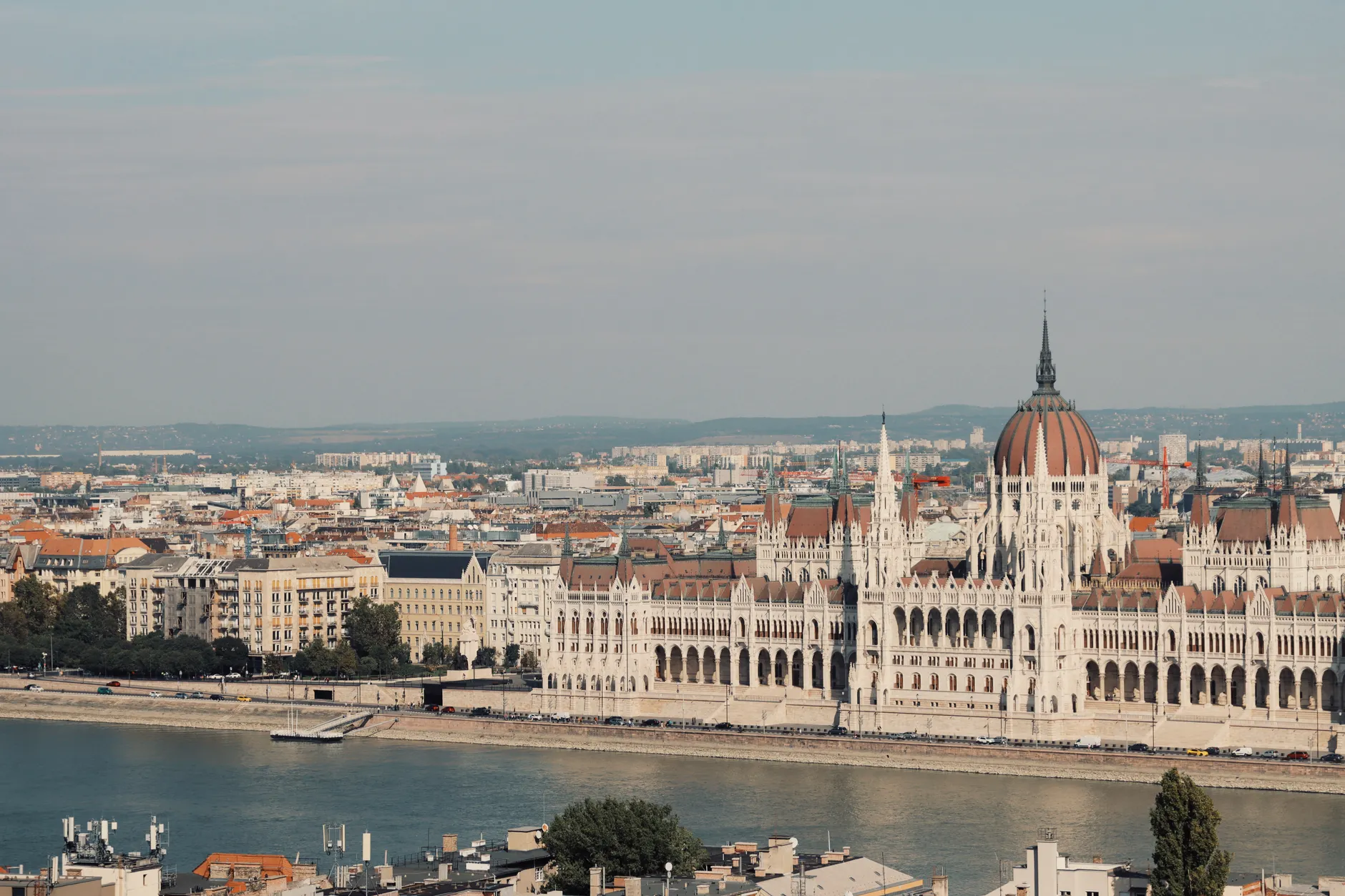
- Instead of Paris (grand boulevards, cafés, museums, romance): try Budapest, Hungary for riverside grandeur and thermal baths, or Lviv, Ukraine's spiritual cousin Krakow, Poland for café culture and a UNESCO-listed old town.
- Instead of the French Riviera: try the Adriatic coast of Montenegro and Albania, where beach towns are still catching up with demand.
- Instead of Amsterdam or Copenhagen (compact, design-conscious, cyclable): try Tallinn, Estonia or Ljubljana, Slovenia, both walkable enough to cross on foot in under half an hour.
- For mountains and hiking: the Tatras in Poland and Slovakia, the Julian Alps in Slovenia and the Accursed Mountains in Albania and Kosovo rival Alpine trails at a fraction of the cost.
When is the best time to visit?
Late April to mid-June and September to mid-October are the sweet spots. You get long daylight hours, mild temperatures, open terraces and hotel availability without August's heat, which has become genuinely uncomfortable in the Balkans and the Hungarian plain. July and August are best reserved for the Baltic coast, the mountains, or lake destinations like Bled and Ohrid.
Winter has a real case too. Christmas markets in Krakow, Zagreb, Budapest and Tallinn are among Europe's best and considerably less commercial than the German circuit, and thermal baths, wine cellars and long café afternoons suit cold weather. Expect short days, and check whether coastal or mountain-village businesses close for the off-season before committing.
How do you get around the region?
Budget airlines connect most of the region to Western European hubs, and low-cost intra-regional flights make multi-country trips realistic. On the ground, long-distance buses are the backbone of travel in the Balkans — more frequent and often faster than trains, with tickets usually bookable online or at the station the day before. Trains work well between Poland, Czechia, Slovakia, Hungary and Austria, and several overnight sleeper routes have been revived in recent years.
Renting a car pays off for Slovenia, Transylvania, northern Albania and the Dalmatian hinterland, where public transport thins out. Check whether your rental agreement permits border crossings, since some companies restrict certain countries or charge extra for cross-border documentation.
What should you know before booking?
Currencies vary: the euro is used in Slovenia, Slovakia, Croatia, the Baltics, Montenegro and Kosovo, while Poland, Czechia, Hungary, Romania, Bulgaria, Serbia, North Macedonia and Albania keep their own. Decline the "pay in your home currency" option at card terminals and avoid airport exchange desks. Cards are widely accepted in cities, but carry some cash for markets, rural buses and small guesthouses.
Entry rules differ by country, and the EU's new border systems affect non-EU visitors, so verify requirements for each country on your route before you fly. Learn a few words of the local language — in this region it lands especially well. Finally, treat the regional label loosely: Ljubljana, Tallinn and Sofia have very different histories, cuisines and rhythms, so plan two or three places properly rather than sprinting through six.
Frequently asked questions
Is Eastern Europe cheaper than Western Europe in 2026?
Generally yes, though the gap is narrowing in popular spots like Krakow, Prague and the Croatian coast. Accommodation, restaurant meals, public transport and museum entry usually cost meaningfully less than in Rome or Paris, especially outside the main capitals. Flights from Western Europe are often the single largest expense of the trip.
Is Eastern Europe safe for tourists?
Most of the region records low rates of violent crime, and cities like Ljubljana, Tallinn and Krakow are considered very safe for visitors, including solo travellers. Usual precautions apply against pickpocketing in crowded centres and taxi overcharging. Always check your government's current travel advisories, as guidance varies significantly by country.
Which Eastern European city is best for a first visit?
Budapest and Krakow are the easiest starting points. Both are compact and walkable, have excellent rail and flight connections, wide English-language service in tourism, and enough museums, food, nightlife and day trips to fill four or five days. Ljubljana suits travellers wanting a smaller, quieter introduction to the region.