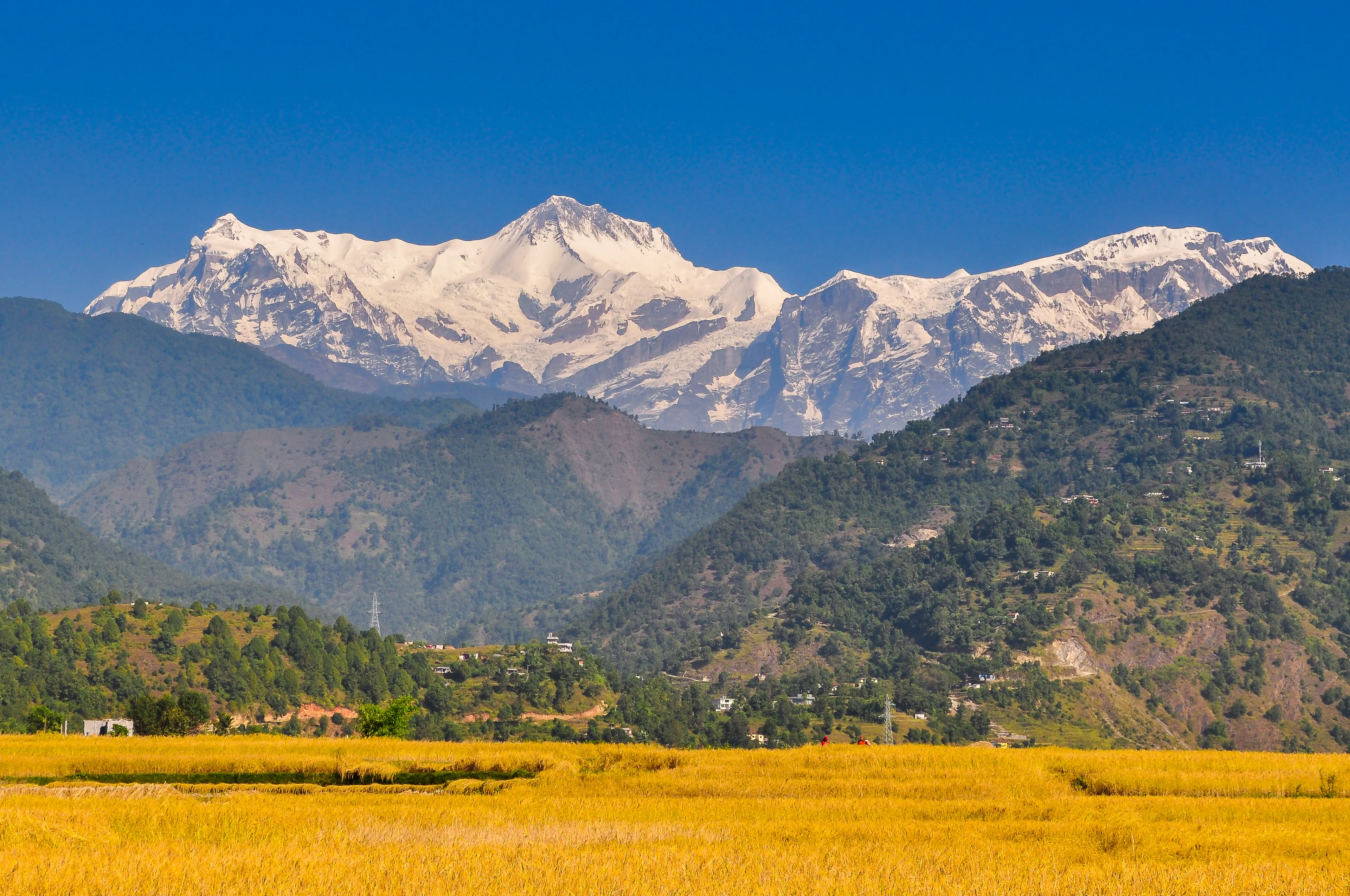
The Day the Mountains Himalaya Changed
By UserCarte · 4 min read
On a Saturday morning in late April 2015, the ground beneath Nepal moved and the Himalaya was never quite the same. The earthquake that followed killed nearly 9,000 people, flattened villages that had stood for centuries, and triggered avalanches that erased whole settlements in a matter of seconds. For anyone who had trekked in Nepal before that day, the maps in their heads became slightly out of date.
A decade on, the mountains are open, the teahouses are full again, and the trails are as spectacular as they ever were. But the Himalaya you walk today is a subtly different place, and understanding why makes for a far richer trip. This is a guide to trekking Nepal's high country with that history in view: where the landscape shifted, what was rebuilt, and how to be a useful guest rather than just a passing one.
What Actually Changed in the Mountains
The damage was concentrated in a belt running roughly from Gorkha and Manaslu east through Langtang, the Kathmandu Valley, and into the Everest region. Some of it was dramatic and visible: entire hillsides sheared away, ancient trails rerouted around fresh landslide scars, glacial debris reshuffled. Some of it was quieter — cracked stone walls, collapsed mani shrines, water sources that shifted and had to be re-piped by hand.
Langtang Valley, north of Kathmandu, took the worst of it. An avalanche of ice, rock, and compressed air obliterated Langtang village and killed hundreds, including residents, trekkers, and guides. In the Everest region, an avalanche swept into Base Camp during peak climbing season. Elsewhere, the story was less about single catastrophic moments and more about attrition: lodges declared unsafe, monasteries needing years of restoration, families spending a season or two in temporary shelters instead of hosting guests.
Crucially, the trekking infrastructure came back. Trails were cleared and in places improved, lodges were rebuilt to better standards, and the classic routes — Everest Base Camp, Annapurna Circuit, Langtang, Manaslu — are all walkable again. What's gone is some of the architectural fabric: the old stone-and-timber villages that many trekkers remember have been partly replaced with newer, sturdier, less picturesque construction. That trade-off, safety for patina, is one locals made deliberately.
The Best Time to Go
Nepal's trekking calendar hasn't changed. Autumn, roughly October into November, is the headline season: skies scrubbed clean by the monsoon, stable weather, and long views of the big peaks. It's also the busiest, so popular lodges fill early and the trails can feel crowded at peak moments.
Spring, from March into May, is the second great window, warmer at altitude with rhododendron forests in bloom on the lower approaches. Haze often builds as the season progresses, softening the distant views. Winter brings sharp, clear cold and near-empty trails, but high passes may be snowed shut and some lodges close. Monsoon, June through September, means rain, leeches, and landslide risk on steep ground — though the rain-shadow regions of Upper Mustang and Dolpo stay relatively dry and are genuinely good in summer.
Getting There and Getting Around
Almost everything starts in Kathmandu. From there, road journeys on rough mountain highways reach the Langtang, Manaslu, and Annapurna trailheads, typically taking most of a day on a public bus or a shared jeep. The Everest region is usually accessed by the short, notorious flight to Lukla, which is weather-dependent and prone to delays — always build spare days into your itinerary rather than booking a tight international connection on the back of it.
Once you're walking, you're walking. Most classic routes are teahouse treks, meaning you sleep and eat in village-run lodges rather than carrying camping gear. Permits are required and vary by region: conservation area and national park permits for the popular routes, plus restricted-area permits and a licensed guide for places like Manaslu and Upper Mustang. Rules on whether a guide is mandatory have shifted in recent years, so confirm the current requirements with Nepal's tourism board or a reputable local agency before you finalize plans.
Trekking Well in a Rebuilt Landscape
The most meaningful thing a visitor can do here is spend money locally and spend it directly. Choose village-owned lodges over the handful of larger chains creeping up the valleys. Hire Nepali guides and porters through operators that pay properly, insure their staff, and provide cold-weather gear. Eat the dal bhat — it's cheap, endlessly refilled, and the ingredients often come from the valley you're standing in.
In Langtang especially, tourism revenue was the rebuilding fund. Walking through and staying a few nights is not disaster tourism if you do it with attention: ask before photographing memorials, listen more than you talk, and understand that the family serving your tea may have lost most of their village.
Practical essentials still matter more than sentiment. Ascend slowly and respect altitude sickness. Carry travel insurance that explicitly covers high-altitude trekking and helicopter evacuation. Bring a water filter or purification tablets instead of buying bottled water. Layer for a 30-degree temperature swing in a single day. And leave a buffer day or two — mountains, as April 2015 made unforgettably clear, keep their own schedule.