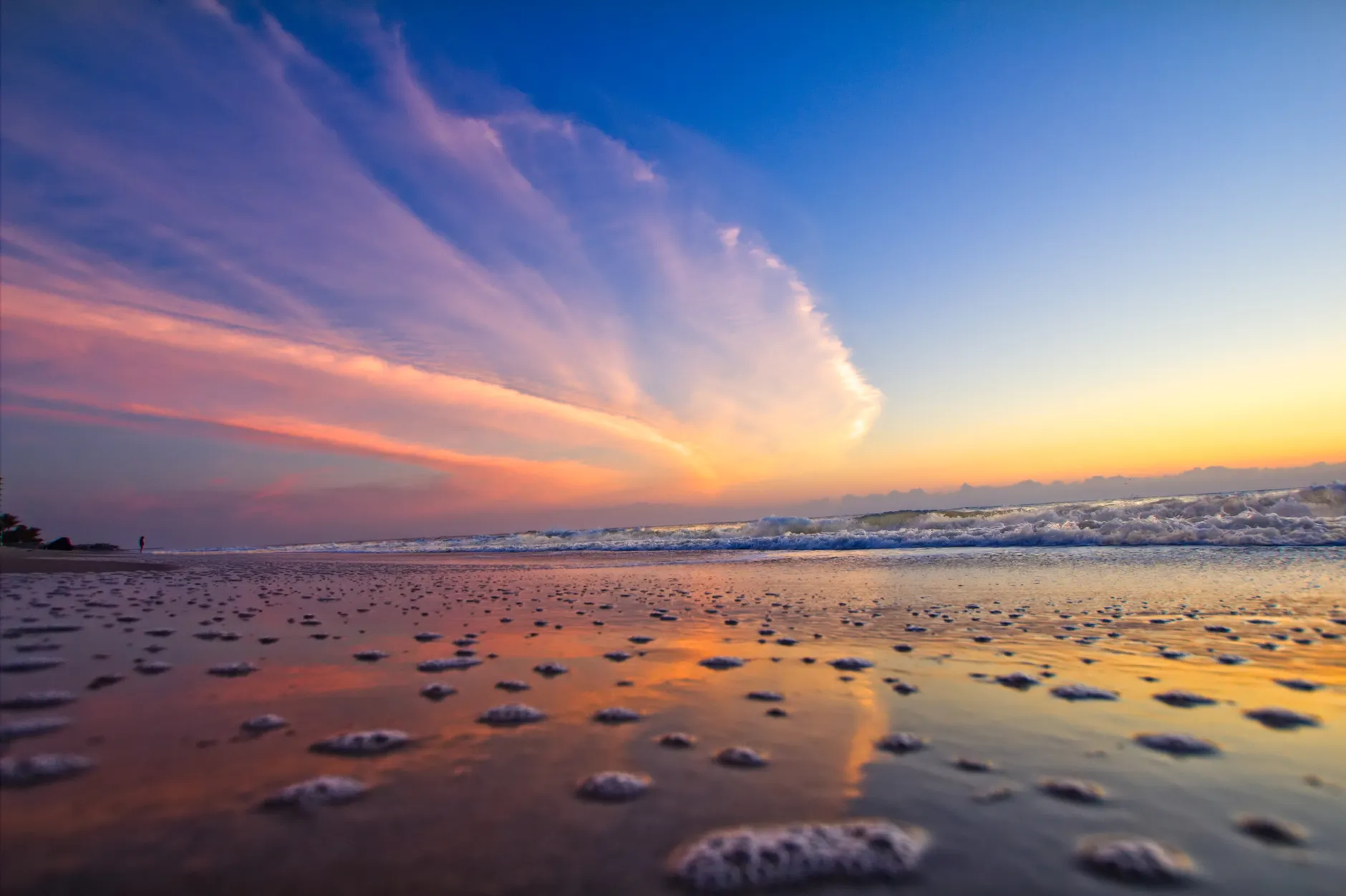
Vero Beach, Florida Is Quietly Becoming 2026's Breakout Coastal Escape
By UserCarte · 5 min read
Vero Beach sits on Florida's Treasure Coast, roughly two hours southeast of Orlando, and it's drawing 2026 attention for the very things that once made travelers skip it: uncrowded Atlantic beaches, a walkable low-rise village along Ocean Drive, and the biologically rich Indian River Lagoon on its back doorstep. There are no condo canyons, no nightclub strip, and prices still undercut Naples or Palm Beach.
Why is Vero Beach suddenly on everyone's list?
Two forces are behind the buzz. The first is simple crowd math: as Naples, Sarasota and the Florida Keys have gotten louder and pricier, travelers have started scanning the map for places with the same water and a fraction of the traffic. The second is Vero Beach's unusual building history. A long-standing local preference for low-rise development means the barrier island reads as a tree-lined neighborhood rather than a wall of towers, and the beach in front of it feels genuinely residential — you can walk stretches of sand with only a handful of people in sight, even in season.
What sets it apart from other under-the-radar Florida towns is the culture-to-population ratio. For a small city, Vero Beach punches far above its weight with a serious art museum, a professional regional theater, a beloved independent bookstore, and a historic botanical garden known for its water lily pools and rainforest-like hammock. This is a beach town where a rainy afternoon is genuinely no problem.
When is the best time to visit?
Peak season runs roughly January through April, when snowbirds arrive, the humidity drops away and daytime temperatures are close to perfect. That's also when rates are highest and restaurants busiest. The smarter windows are late October through mid-December and the month of May: warm ocean water, thin crowds, and noticeably softer pricing.
Summer brings heat, humidity and near-daily afternoon thunderstorms, but it's also sea turtle nesting season — loggerheads, greens and leatherbacks come ashore from spring into fall, and guided nighttime turtle walks run in the heart of summer through local conservation groups. Permits are limited and spots go fast, so book well ahead. Hurricane season officially spans June to November, with the highest risk in late summer; if you travel then, choose refundable rates and keep an eye on forecasts.
How do you get there and get around?
Vero Beach has no commercial airline service, which is part of why it's stayed quiet. Most visitors fly into Melbourne to the north (closest, smallest, easiest), Orlando (best flight selection, around a two-hour drive), West Palm Beach (about an hour and a quarter south), or Fort Lauderdale. Amtrak's Silver Service stops nearby on the Florida corridor, but connections are slow and infrequent.
Rent a car. Rideshare exists but thins out at night and on the mainland, and the attractions worth your time — Sebastian Inlet State Park to the north, the Environmental Learning Center on its own lagoon island, wild inland lakes to the west — are spread across a long, skinny county. Once you're parked on the barrier island, though, the Ocean Drive area is walkable, and A1A makes a beautiful slow drive in either direction.
What should you actually do here?
Start with the beach parks. Humiston Park puts you right at the edge of the shops and is the easiest entry point; South Beach Park and Jaycee Park are the local favorites for swimming and surfing; and the county's quieter northern beaches deliver long, empty walks. Lifeguard coverage varies by park and season, so swim near a tower when one is staffed.
- Get on the lagoon. The Indian River Lagoon is one of North America's most biodiverse estuaries. Kayak or paddleboard the mangrove trails, and in cooler months look for manatees gathered in warm, sheltered water.
- See Pelican Island. Just north, this was the first federal bird reservation in the United States, established in 1903 — a genuinely historic piece of conservation you can view from nearby trails and boardwalks.
- Fish or watch fishing at Sebastian Inlet. The inlet jetties are legendary among Florida anglers and surfers alike.
- Do the culture loop. The art museum, botanical garden, riverside theater district and downtown antique shops fill a full day away from the sand.
- Eat the local classics. Two quirky, driftwood-and-tile oceanfront institutions built by an eccentric local collector still serve seafood right on the beach — expect waits and no reservations at one of them. Indian River grapefruit is the regional bragging right; buy it at a roadside citrus stand.
Where should you stay?
The barrier island near Ocean Drive is the best base: you can walk to sand, coffee and dinner. Options range from a stylish boutique beach resort to small mid-century motels, historic oceanfront inns and vacation rentals in leafy residential pockets. Families often choose the large resort complex a little north along A1A, which sits directly on the beach with kid-focused programming. Mainland hotels near the highway are cheaper and fine for one night, but you'll drive to everything. Book peak-season stays several months out; the inventory here is small, and that scarcity is exactly why the town still feels like a secret.
Frequently asked questions
Is Vero Beach worth visiting?
Yes, if you want a relaxed, low-rise Florida beach town with excellent swimming sand, wildlife-rich lagoon paddling, and more culture than its size suggests. It's not the pick for nightlife, theme parks or big-resort glitz. Travelers who loved Florida before the crowds arrived tend to find it exactly right.
What is the closest airport to Vero Beach, Florida?
Melbourne International is the nearest commercial airport, under an hour's drive north, though it has limited routes. Orlando offers the widest flight choice at roughly two hours away, and West Palm Beach is about an hour and a quarter south. Renting a car at any of them is strongly recommended.
Can you see manatees and sea turtles in Vero Beach?
Both, seasonally. Manatees shelter in the Indian River Lagoon's warmer, calmer water during cool months, best seen from waterfront parks or a kayak. Sea turtles nest on local beaches from spring through fall; join a permitted guided turtle walk rather than searching alone, and never use white lights on the beach at night.