Why Prague Is 2026's Most Searched European City Break
By UserCarte · 5 min read
Prague dominates 2026 European city break searches for a simple reason: it delivers the visual drama of Paris or Vienna at noticeably lower cost, in a centre small enough to cross on foot in half an hour. Add cheap flights from most of Europe, direct rail links from Berlin and Vienna, and a packed year-round events calendar, and you have the continent's most searchable short-break city.
Why is Prague getting so much attention right now?
Three trends converge here. First, value: Czechia uses the koruna rather than the euro, and everyday costs — beer, tram tickets, museum entry, a sit-down lunch — still run below Western European equivalents, even as hotel rates in the historic core have climbed.
Second, accessibility. Prague is served by budget and full-service carriers from across Europe, and fast trains connect it to Berlin, Dresden, Vienna and Bratislava, making it an easy add-on to a longer rail trip rather than a standalone flight.
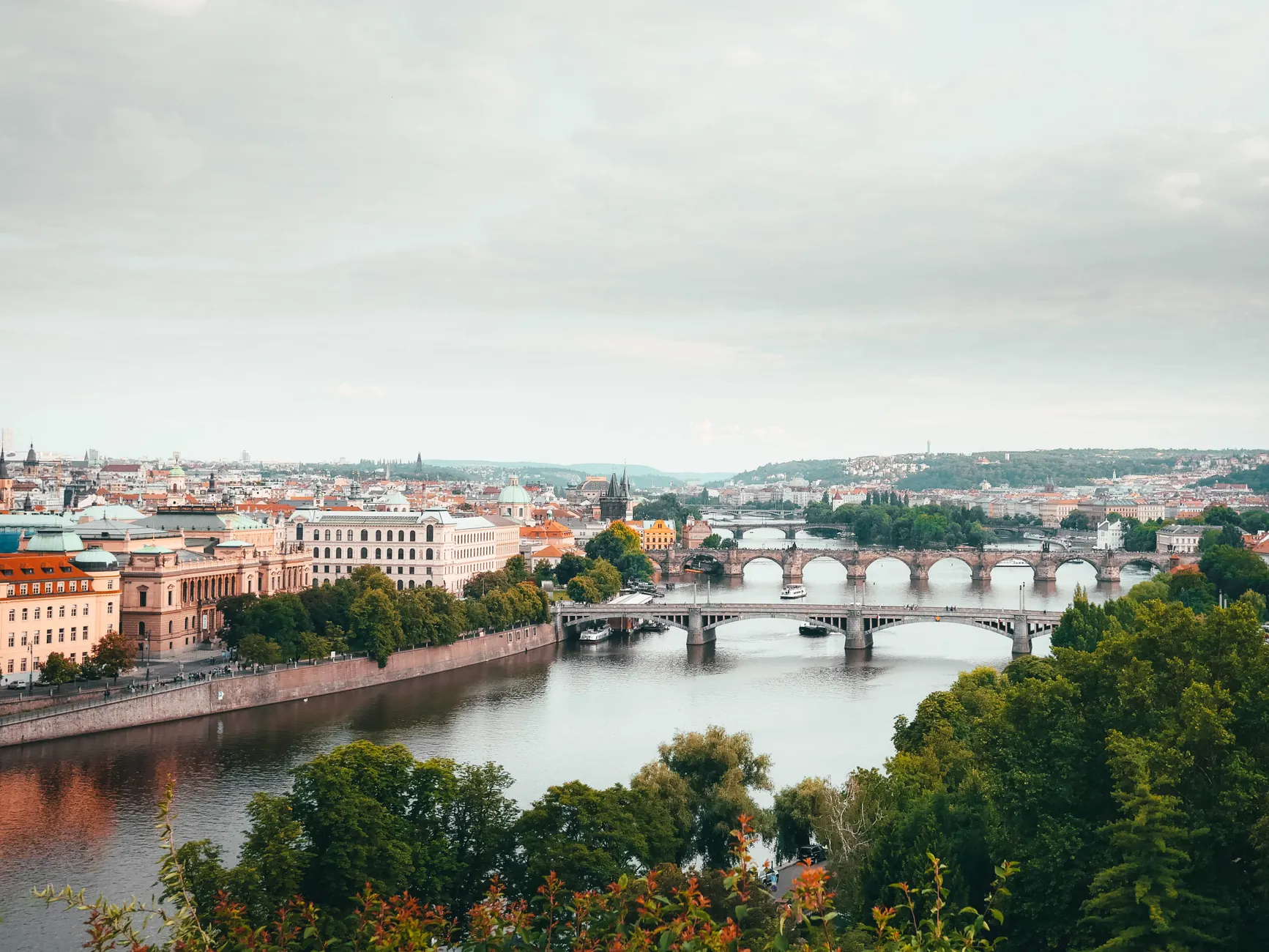
Third, photogenic density. Gothic spires, baroque facades, an astronomical clock, a hilltop castle complex and a river of bridges sit within one compact, largely intact historic district — the kind of place that performs well on social feeds and therefore in search. Spillover from the city's film and series appearances keeps pushing it further up wish lists.
When is the best time to visit Prague?
Late April to early June and September to October are the sweet spots: mild weather, long daylight, gardens and riverside terraces open, and crowds thinner than the July–August peak. May in particular brings festival season, including the city's major classical music programme.
December is the other high-demand window, when Old Town Square and Wenceslas Square fill with Christmas markets. Expect cold, short days, and book accommodation well ahead — Advent weekends sell out early. January to March is the quietest and cheapest stretch, best if you don't mind grey skies and prefer galleries, concert halls and beer halls to park benches. Summer is warm and lively but the Charles Bridge and castle approach get genuinely congested by mid-morning.
How do you get around the city?
Walking is the default. The route from the Old Town across Charles Bridge to the base of Prague Castle takes roughly 20–30 minutes, and most headline sights fall inside that corridor. Wear shoes with grip: the cobbles are uneven and slick in rain.
For everything else, the integrated public transport network of metro, trams and buses is efficient and inexpensive. Buy a time-based ticket (short-hop, 24-hour or multi-day options exist) and validate it before boarding; inspectors do check, and fines for travelling without a valid ticket are enforced. Tram 22 is the classic scenic line, climbing past the castle and through Malá Strana. Avoid hailing taxis on the street near tourist hotspots — use a ride-hailing app or a licensed dispatch service instead.
From the airport, public buses connect to the metro, and there is a direct bus to the main train station. Confirm current routes when you land, as services are periodically reorganised.
What should you do beyond Charles Bridge?
Do the classics early or late. Charles Bridge at sunrise is a different experience from Charles Bridge at noon, and Prague Castle's grounds open before its ticketed interiors — go first thing and work downhill through Malá Strana afterwards.
Then get out of the centre. Vyšehrad, the quieter fortress south along the river, has ramparts, a neo-Gothic basilica and a cemetery where Dvořák and Smetana are buried. Letná and Riegrovy sady offer the city's best skyline views from beer gardens. Karlín and Holešovice are where design shops, contemporary galleries and modern Czech restaurants cluster. Vinohrady is residential, leafy and full of neighbourhood cafés. For a half-day escape, Kutná Hora and Český Šternberk are reachable by train or bus.
Book classical concerts, jazz cellars and puppet theatre in advance during peak months. If you care about beer, seek out a traditional pub pouring unpasteurised Czech lager — the pour itself is treated as a craft here.
Where should you stay?
Old Town puts you inside the postcard but means noise, stag-party traffic on weekends and premium rates. Malá Strana is calmer and equally central, with a short walk to the castle. Nové Město and the area around Wenceslas Square offer the best transport links and better value for money.
For a more local stay at lower prices, look at Vinohrady, Žižkov, Karlín or Holešovice — all within a short tram or metro ride of the centre. Prices swing sharply with the calendar: Advent weekends, New Year and major festivals command the highest rates, while February and November are bargain territory.
Frequently asked questions
How many days do you need in Prague?
Three full days covers the Old Town, Jewish Quarter, Charles Bridge, Malá Strana and Prague Castle at a comfortable pace, with time for a beer garden and one museum. Four or five days lets you add outer neighbourhoods like Karlín or Vyšehrad, plus a day trip to Kutná Hora.
Is Prague expensive for tourists?
Prague is generally cheaper than Western European capitals for food, drink, transport and attractions, though central hotel rates have risen and tourist-facing restaurants near Old Town Square charge a premium. Walk a few streets away from the main squares and costs drop noticeably for essentially the same meal.
Do you need euros or Czech koruna in Prague?
Czechia uses the Czech koruna, not the euro. Cards are widely accepted, so you rarely need much cash, but carry a small amount for markets and older pubs. Avoid street currency-exchange booths offering headline rates with hidden commissions; withdraw from bank ATMs or pay by card instead.