Why These Three States?
By UserCarte · 5 min read
Colorado, Utah, and New Hampshire: Why Lonely Planet Put Them Among the World's 21 Best Summer Destinations for 2026
Three American states just landed on Lonely Planet's list of the world's 21 best summer destinations for 2026 — and that says something about where the American traveler's head is at right now. Croatia took the top spot overall, but Colorado came in at number two worldwide, Utah placed seventh, New Hampshire landed eighth, and California rounded out the list at nineteen. This isn't just a ranking. It reads more like a signal: people are tired of overcrowded, over-photographed destinations, and they're chasing something that still feels real.
Colorado (No. 2): Mountains and Cities, Without Choosing
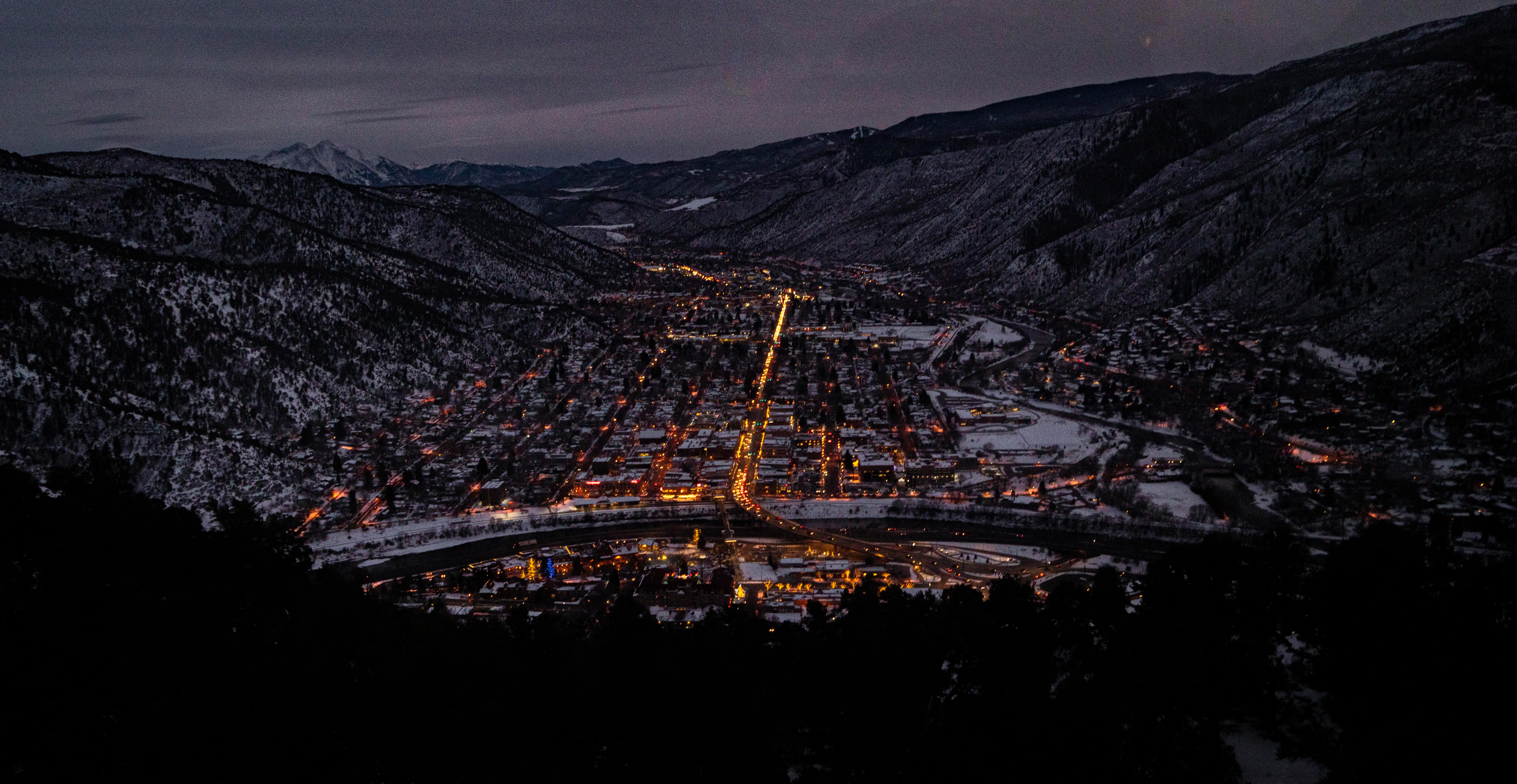
Colorado didn't land at number two by chance. Lonely Planet credits the state's rare combination of outdoor adventure and genuine urban culture — the kind of place where you don't have to pick one or the other. From the Rocky Mountains to cities like Denver and Boulder, Colorado lets you do a long hike in the morning, grab a pour-over at a Boulder coffee shop by early afternoon, and catch a live show in Denver that same night.
Among the experiences Lonely Planet singles out for summer: alpine wildflowers blooming at Crested Butte around mid-July, and a ride on a steam train dating back to 1882 that climbs through the San Juan Mountains above Durango. Details like that give the state a different feel — not just scenery to look at, but something with real history and texture underneath it.
Utah (No. 7): Landscapes That Barely Look Real
If Colorado is about balance, Utah is about pure disbelief. Lonely Planet describes it as a place of otherworldly, breathtaking terrain — red-rock plateaus, narrow slot canyons, sprawling lakes, and slickrock trails. More than 65% of the state's land is public, and it holds 14 national parks and monuments, including Zion, Bryce Canyon, and Arches.
What's notable is that Lonely Planet isn't just pointing people toward the famous parks. It nudges travelers toward the unexpected — the lesser-known state parks, the hidden overlooks most people scroll right past. That's essentially what the 2026 traveler seems to want: the real Utah, not just the version that shows up on Instagram.
New Hampshire (No. 8): Old New England, Unbothered
While the usual East Coast hotspots fill up with crowds, New Hampshire offers something quieter — the kind of low-key charm New England does best. Lonely Planet sums up summer there as days spent swimming in sparkling mountain streams and picking fresh berries at local farms.
Standout experiences include surfing and paddleboarding on Lake Winnipesaukee, lobster rolls in Portsmouth, and camping in the White Mountains, home to Mount Washington — the tallest and famously the windiest peak in New England. New Hampshire isn't really a place you go to look at; it's a place you go to slow down and actually hear something other than your own phone.
The Bigger Picture: What's Changing About the American Traveler
These choices don't exist in a vacuum. Expedia's “Unpack '26 Summer” report found that 63% of American travelers are planning a domestic trip this summer, and that online conversation about U.S. staycations has doubled compared to last year. Interest in lakes, mountains, and national parks is up 65% year over year.
Melanie Fish, Vice President of Global PR at Expedia Group, frames the shift this way: travelers are choosing destinations closer to home this summer in response to economic pressure and global uncertainty. But what looks on the surface like a budget decision is really something deeper — a shift in what people actually value: authenticity, sustainability, and experiences that haven't already been consumed a thousand times online.
That's essentially the same instinct behind Lonely Planet's 2026 list. Rather than recycling the usual hotspots, the list leans toward destinations that balance outdoor adventure, culture, and affordability — scenic, low-key places offering a genuine alternative to the world's most overtouristed cities.
Three States Pushing Back Against Overtourism
Colorado, Utah, and New Hampshire are getting this attention at a moment when overtourism concerns keep growing in places like Venice and Barcelona. Time Out has noted that these picks reflect a broader shift toward slower travel, more nature, and destinations less shaped by algorithms and viral photo spots.
In a way, these three states model something you might call intentional travel: you're not going to check a landmark off a list, you're going to actually experience a place. In Colorado, you don't just look at the Rockies — you ride a 140-year-old steam train through them. In Utah, you don't just walk through Zion — you go looking for the slot canyon nobody posted about. In New Hampshire, you don't sit on a packed beach — you paddle a quiet lake tucked between mountains.
The Takeaway: America's Summer 2026 Map
If you tried to draw a map of where American travelers are headed this summer, it wouldn't look like a world map dotted with far-off cities. It would look more like a domestic one, clustered around the western mountains and the northeastern hills. Colorado, Utah, and New Hampshire aren't just destinations on a list — they're a sign that the American summer is rediscovering itself. Not in Paris, not in Rome, but in a mountain valley in Colorado, a slot canyon in Utah, or a quiet lake in New Hampshire.
As Lonely Planet puts it: if your dream vacation involves hiking boots, a road-trip playlist, and at least one stop for ice cream in a small town, you're not behind on this trend — you're already ahead of it.