Zanzibar attracts many visitors
By UserCarte · 5 min read
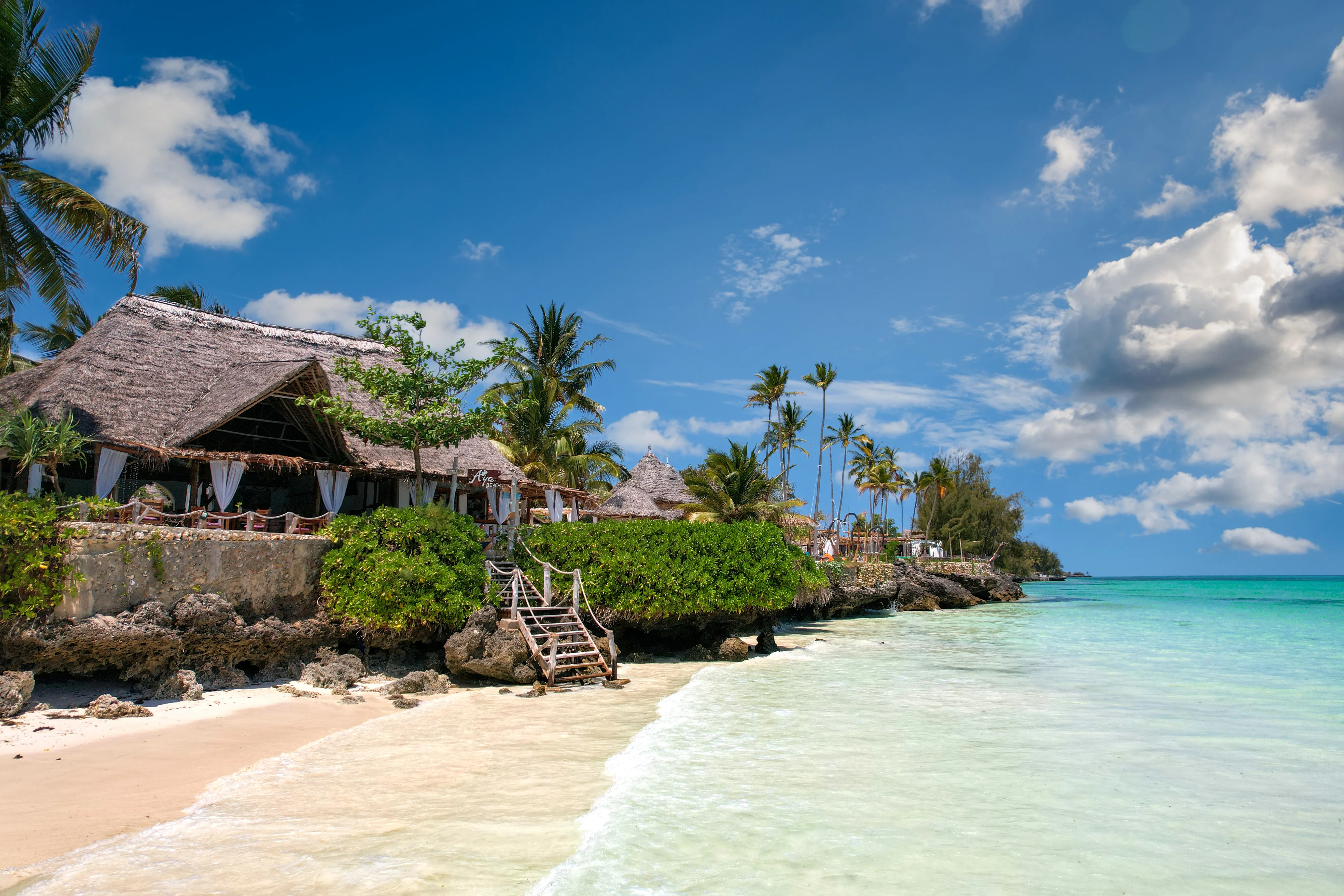
Zanzibar attracts many visitors, and it does not take long on the ground to understand why. The archipelago sits about 25 miles off the Tanzanian mainland in the Indian Ocean, close enough for a short flight from Dar es Salaam yet culturally distinct enough to feel like a separate country. Swahili, Arab, Persian, Indian and Portuguese influences have layered over a thousand years of trade into something singular: carved doors and coral-rag walls in Stone Town, clove and cardamom growing in the interior, and a reef-fringed coastline where the water shifts through half a dozen shades of turquoise depending on the tide.
The island also happens to pair neatly with something else travellers want. Many arrive straight from a safari in the Serengeti or Ngorongoro, swapping dust and early game drives for a hammock and a plate of grilled kingfish. That combination — bush then beach — has made Zanzibar one of East Africa's most visited destinations, which means more flights, more places to stay, and more competition for the best rooms in high season. Planning ahead pays off.
Best Time to Visit
Zanzibar is tropical and warm year-round, so the real question is rain. The long rains typically fall around April and May, when humidity peaks, some smaller hotels close and diving visibility drops. A shorter, lighter rainy spell usually arrives in November. The two driest, most reliable windows are roughly June through October and late December through February — which is exactly when prices climb and the popular northern beaches fill up.
If you want the sweet spot, aim for the shoulder edges of those periods: early June or late October often bring good weather with fewer crowds. Also check whether your trip overlaps with Ramadan, since Zanzibar is predominantly Muslim. Many local restaurants outside hotels close during daylight hours, and the atmosphere is quieter and more reserved. It is still a rewarding time to visit — just a different one, and worth knowing about in advance.
Getting There and Getting Around
Most visitors fly into Abeid Amani Karume International Airport near Stone Town, either on a regional hop from Dar es Salaam, Arusha or Nairobi, or on one of the direct international routes from Europe and the Gulf. The alternative is the passenger ferry from Dar es Salaam, which takes a couple of hours on the fast boats and is considerably cheaper than flying. Book ferry tickets through official counters or your accommodation rather than from touts at the port.
On the island, private transfers arranged by your hotel are the simplest option, and worth it for the long runs to the east coast. Dala dalas — shared minibuses and converted trucks — connect villages cheaply if you are patient and travelling light. Taxis do not use meters, so agree a price before you get in. Plenty of visitors rent scooters or bicycles for short coastal trips; if you do, note that driving is on the left, road surfaces vary wildly, and you will need the correct permit, which rental agents can usually arrange.
Where to Stay: Matching the Coast to Your Trip
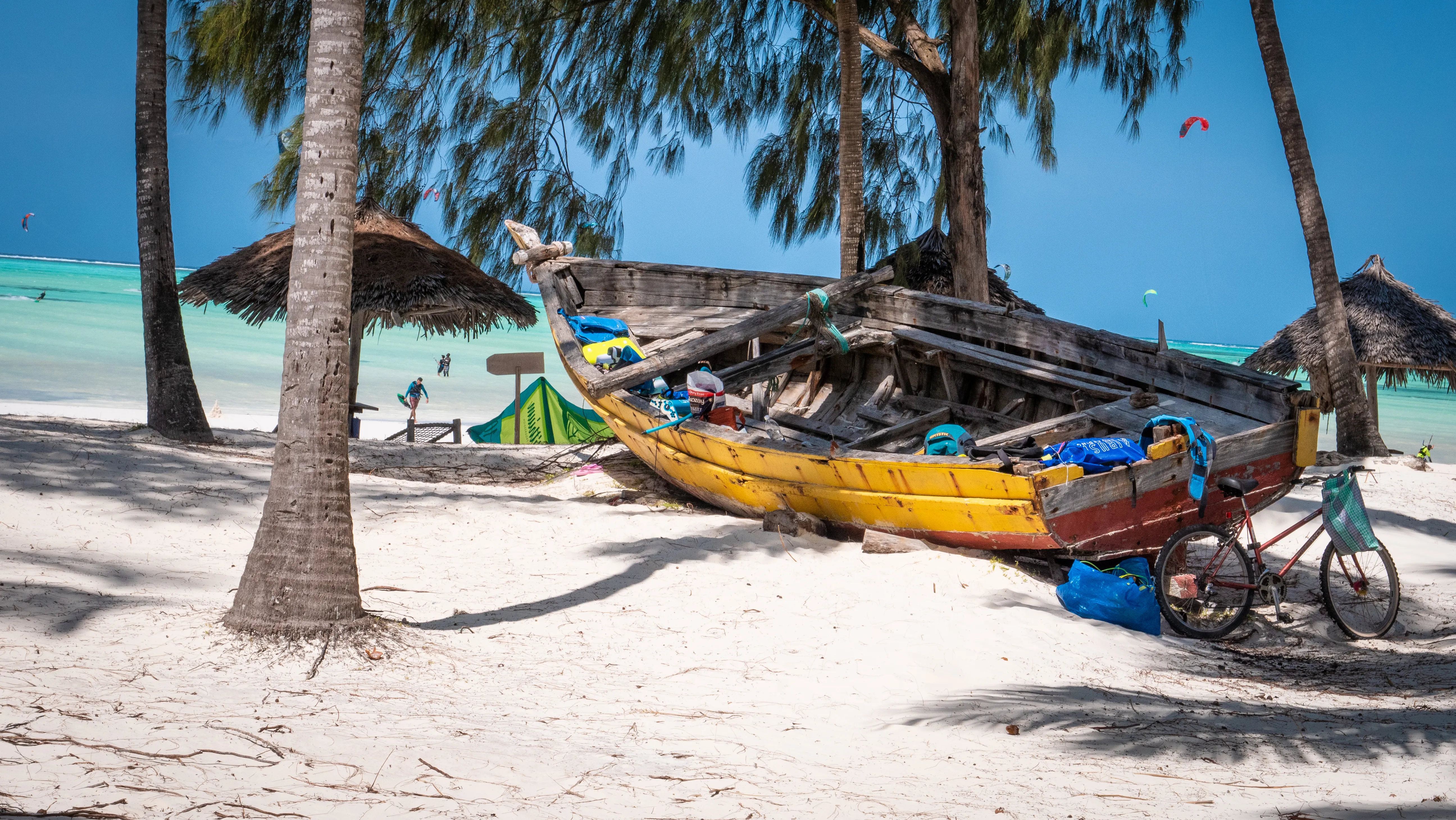
Zanzibar's beaches are not interchangeable, and choosing badly is the most common trip-planning mistake. The northern tip around Nungwi and Kendwa has deep water at all tides, swimmable day and night, plus the liveliest bar and restaurant scene — good for first-timers and anyone who wants to swim on demand. The east coast, around Paje, Jambiani and Bwejuu, has dramatic tides that pull the ocean far out twice a day, exposing seagrass flats where villagers farm seaweed. It is quieter, better value, and the undisputed centre of kitesurfing.
The southeast and southwest, including areas near Michamvi and Kizimkazi, feel more remote and suit travellers after seclusion. Stone Town itself is worth one or two nights in a restored merchant house, even if the beach is your main goal — the town empties of day-trippers in the evening and becomes genuinely atmospheric.
What to Do Beyond the Beach
Walk Stone Town without a fixed route: the Old Fort, the former slave market site and Anglican cathedral, the House of Wonders exterior, and the waterfront gardens where street-food stalls set up in the evening. A guided spice farm tour in the island's interior is more interesting than it sounds, especially when the guide has you taste and smell as you go.
On the water, snorkelling and diving trips run to Mnemba Atoll and the reefs off Nungwi, with sandbank stops that are often the highlight of the day. Jozani Forest protects the endemic red colobus monkey and is easy to combine with an east-coast stay. Prison Island offers giant tortoises and a short boat ride from town. Sunset dhow cruises are touristy and still completely worth doing.
Practical Tips for a Smoother Trip
Check current visa requirements and any mandatory travel insurance rules before you fly, as Tanzania's entry rules have changed in recent years. Tanzanian shillings work everywhere, US dollars are widely accepted at hotels and tour operators, and cards are less reliable outside larger properties — carry some cash. Speak to a travel clinic about malaria prophylaxis and routine vaccinations well ahead of departure.
Dress modestly in Stone Town and in villages — shoulders and knees covered — and save swimwear for the beach and hotel grounds. Tap water is not considered safe to drink; use filtered or bottled water. Book reef trips, kite lessons and spice tours through your accommodation or an established operator, confirm current pricing directly, and build in a buffer day at the end if you are connecting onward to a mainland safari.